
Long hours of sitting have become the norm in today’s work-from-home and desk-bound world. Many people are aware that being inactive can harm their back and posture, but fewer are aware that it can also affect their shoulders. Over time, poor posture, slouched positions, and lack of movement can cause chronic pain, stiffness, and even degeneration in the shoulder joints—leading some to consider shoulder replacement surgery. If you’ve been wondering about treatment options, the cost of shoulder replacement, or the recovery process, this guide provides clear, patient-friendly explanations in simple terms.
What Is Shoulder Replacement and Who Needs It?
Total shoulder arthroplasty, or shoulder replacement, is a surgical operation that involves removing and replacing worn or damaged components of the shoulder joint. The goal is to help individuals whose shoulder joints are affected by arthritis, an accident, or long-term strain experience reduced pain, regain mobility, and improve their overall quality of life.
One of the body’s most flexible parts is the shoulder. However, this makes it easy to hurt. Joint damage can occur over time due to factors such as repeated stress, poor posture resulting from prolonged sitting, or even minor injuries that never fully heal. These things can happen because of this:
- Osteoarthritis – where the protective cartilage wears down.
- Rheumatoid arthritis is characterized by an autoimmune disorder that leads to joint inflammation.
- Post-traumatic arthritis – resulting from an old shoulder injury.
- Rotator cuff arthropathy – when a torn rotator cuff causes joint degeneration.
If you’ve been living with persistent shoulder pain, stiffness, or difficulty lifting your arm overhead, a shoulder replacement might be an option worth discussing with your doctor.
How Sitting All Day Affects Your Shoulders
You might not associate sitting with shoulder problems, but posture plays a huge role in joint health. When you spend hours hunched over a computer or phone, your head and shoulders naturally round forward. This posture puts strain on the shoulder muscles and tendons, especially those in the rotator cuff.
Joint misalignment, inflammation, and microtears can develop over the course of months or even years due to this imbalance. The result is a slow but continuous deterioration of shoulder function. Symptoms that are often seen are:
- Tightness in the neck and upper back
- Shoulder stiffness or soreness after long hours at a desk
- Pain radiating down the arm.
- Clicking or grinding sensations during movement
In severe cases, chronic strain can exacerbate existing conditions, such as arthritis, thereby accelerating the need for shoulder replacement.
What Happens During a Shoulder Replacement Procedure?
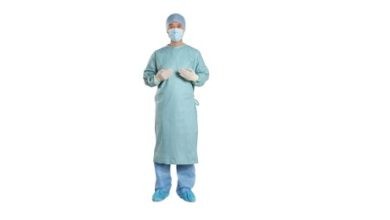
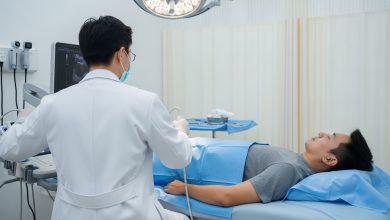
Although the idea of joint surgery can sound intimidating, modern shoulder replacement techniques are designed to be safe and effective. During the procedure, Surgeons repair shoulder arthritis by removing worn-out or diseased tissue and replacing it with new, long-lasting prosthetics.
The replacement mimics the natural shape and motion of your shoulder, allowing pain-free movement once you’ve healed. Depending on your condition, the procedure may be:
- Total Shoulder Replacement – both the ball (humeral head) and socket (glenoid) are replaced.
- Partial Shoulder Replacement (Hemiarthroplasty) – only the ball part of the joint is replaced.
- Reverse Shoulder Replacement – the ball and socket positions are reversed, often recommended for severe rotator cuff damage.
Based on your age, shoulder structure, and level of activity, your doctor will recommend the type that is best for you.
What to Expect After Shoulder Replacement
The process of getting better is slow but worth it. Most people feel less discomfort and can move about more freely after a few weeks. However, it usually takes a few months for a full recovery, depending on the type of surgery performed and your overall health before the procedure.
Here’s a general timeline of what you might expect:
- First few weeks: You’ll wear a sling to keep the arm supported. Gentle physical therapy begins early to prevent stiffness.
- After 6–8 weeks, Most patients regain enough mobility to perform daily activities.
- After 3–6 months: You’ll notice significant improvements in strength and flexibility.
- After one year, full recovery is typically achieved, allowing most people to resume light physical activity or exercise.
Your doctor will design a personalized rehabilitation plan that matches your lifestyle and physical condition.
Benefits of Shoulder Replacement
When conservative treatments such as medication, therapy, or injections no longer provide relief, shoulder replacement becomes a reliable solution. The benefits include:
- Pain relief – eliminating chronic shoulder pain from arthritis or injury.
- Improved mobility – allowing you to move your arm freely again.
- Better sleep – pain often disturbs rest, so recovery helps improve sleep quality.
- Enhanced quality of life – the ability to return to hobbies, sports, and daily activities.
Modern advancements in implant design and surgical precision enable today’s shoulder replacement procedures to deliver durable, long-lasting results.
The Hidden Cost of Ignoring Shoulder Pain
Many people put off seeking help because they believe their shoulder ache will resolve on its own. But if you don’t get treatment for your shoulder problems, they could get worse over time, causing less space in the joint, bone abnormalities, and muscle atrophy. When degeneration gets too bad, even simple things like combing your hair or lifting a supermarket bag can become painful or challenging.
Early assessment can help find joint problems before they get this bad. Doctors may suggest non-surgical treatments initially, but if pain and stiffness don’t go away, a shoulder replacement may be the best approach to get your shoulder working again.
Common FAQs About Shoulder Replacement
- How long does a shoulder replacement last?
Modern implants can last 15–20 years or longer with proper care and moderate activity levels. - Is shoulder replacement painful?
It is normal to feel some pain following surgery, but pain management techniques and medications make recovery much more comfortable than most patients anticipate. - Can you return to sports or exercise after surgery?
Yes, but only after you’re fully better. Sports with low impact, such as swimming or light workouts at the gym, are generally safe. Your doctor will make suggestions tailored just for you. - What are the potential risks of getting a new shoulder?
Possible complications, such as infection, stiffness, or implant wear, are inherent to any surgical procedure. However, these complications are rare, and outcomes are typically very positive. - Is physical therapy necessary?
Absolutely. Rehabilitation is crucial for regaining a full range of motion and achieving a successful long-term outcome.
Taking Care of Your Shoulders Before and After Surgery
If you spend much of your day seated, small changes can help protect your shoulders:
- Sit upright with your back supported.
- Keep your screen at eye level to reduce hunching.
- Stretch your shoulders, chest, and neck every hour to maintain flexibility and prevent stiffness.
- Include light resistance training to strengthen stabilizing muscles.
After shoulder replacement, maintaining a healthy lifestyle, following your physiotherapist’s exercises, and avoiding heavy strain can help preserve your new joint for years to come.
Final Thoughts
Modern work habits, such as sitting for long periods, spending excessive time in front of a screen, and poor posture, can harm your shoulders over time. Shoulder replacement has been shown to help people who have been experiencing pain or stiffness for a long time and find it difficult to perform everyday tasks recover their mobility and improve their quality of life.
You can make better choices about your joint health if you know about your options, how long it will take to heal, and how much a shoulder replacement costs. Taking care of your posture and seeking treatment for shoulder pain as soon as possible can help you avoid further damage and return to a pain-free, active life.
Artisan Sports and Orthopaedic Clinic – Dr Puah Ken Lee
290 Orchard Road,
Paragon Medical Centre #07-12
Singapore 238859
https://www.artisanorthopaedics.sg/
Phone: (65) 8909 8877