
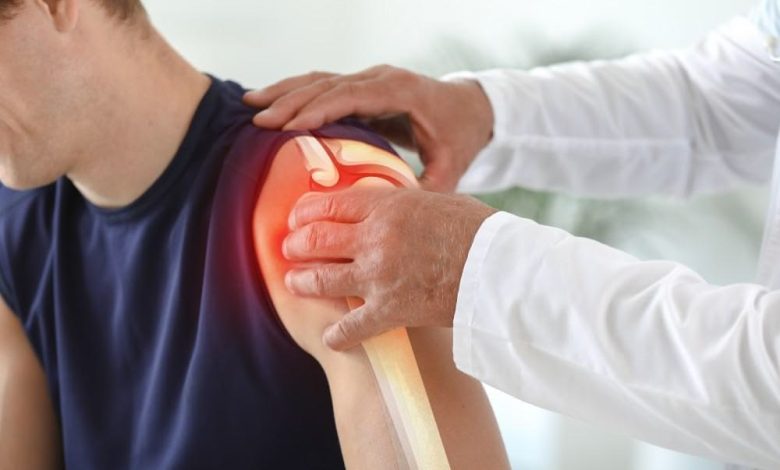
Shoulder pain that does not go away is a common reason patients seek medical attention, especially when it becomes difficult to lift the arm, reach overhead, or sleep comfortably on one side. In many of these cases, the underlying cause is a rotator cuff injury, which affects the group of muscles and tendons responsible for stabilising and moving the shoulder joint. These injuries can range from mild inflammation and small partial tears to more significant full-thickness tendon ruptures.
While the symptoms can feel alarming, it is important to understand that not every rotator cuff injury requires surgery. Many patients improve with appropriate non-surgical treatment when diagnosed early and managed correctly. For more general health information, you may also refer to https://rayofhealth.sg/treatment/rotator-cuff-injury-treatment-singapore/ as a helpful resource before seeking specialist assessment.
What Is a Rotator Cuff Injury?
A rotator cuff injury refers to damage affecting the group of four muscles and their tendons that surround the shoulder joint, helping to keep the head of the upper arm bone securely in place while allowing smooth and controlled movement. These structures play a critical role in lifting, rotating, and stabilising the arm during daily activities. Injuries can occur in different forms, including tendon inflammation (tendinitis), partial-thickness tears where only some fibres are damaged, and full-thickness tears where the tendon is completely torn away from the bone.
Common causes include age-related wear and degeneration, repetitive overhead movements such as in sports or manual work, and sudden trauma like a fall onto an outstretched arm. Understanding the type and severity of a rotator cuff injury is essential, as it directly influences treatment options and recovery expectations.
Feel free to read more: หมอนจัดท่า
First-Line (Non-Surgical) Treatment
Most rotator cuff injury cases are initially managed without surgery, especially when the tear is mild, partial, or related to inflammation rather than a complete rupture. The main goal of early treatment is to reduce pain, restore shoulder function, and prevent further strain on the injured tendons.
Non-surgical management typically begins with activity modification and rest from aggravating movements, particularly overhead lifting or repetitive shoulder use. This is often combined with anti-inflammatory medication to help control pain and swelling. Physiotherapy plays a central role, focusing on improving shoulder mobility, strengthening surrounding muscles, and gradually restoring function in a controlled manner.
In selected cases, a steroid injection may be used to reduce significant inflammation and allow the patient to engage more effectively in rehabilitation. Many patients with a rotator cuff injury experience meaningful improvement with these measures over weeks to months, making conservative treatment an important first step before considering surgical options.
When Surgery May Be Considered
Surgery for a rotator cuff injury is usually not the first option, but it becomes relevant when symptoms persist despite adequate conservative treatment or when the injury is more severe from the outset. One of the key indications is ongoing pain and functional limitation after several months of structured non-surgical care, particularly when daily activities such as dressing, lifting objects, or sleeping remain affected.
Surgery is also more strongly considered in cases of significant weakness, where the shoulder cannot generate sufficient power to lift the arm properly. This is often seen in larger or full-thickness tears. In younger or more active individuals, especially those with acute traumatic injuries (such as a fall or sports-related incident), early surgical repair may be recommended to restore tendon continuity and prevent long-term muscle degeneration.
Factors That Influence the Decision
Deciding whether surgery is needed for a rotator cuff injury is rarely based on a single factor. Instead, it is a combination of symptoms, functional impact, and imaging findings that guide the treatment plan.
Key considerations include:
- Age of the patient
Younger patients with traumatic tears are more likely to benefit from early surgical repair, while older patients with degenerative tears may respond well to non-surgical treatment.
- Activity level and lifestyle demands
Individuals who regularly perform overhead activities, sports, or manual work may require stronger shoulder function compared to those with lower physical demands.
- Severity and size of the tear (on imaging)
Partial or small tears are often managed conservatively, whereas larger or full-thickness tears may be more suitable for surgery.
- Duration of symptoms
Long-standing untreated tears may lead to tendon retraction and muscle weakening, which can influence treatment options.
- Tendon quality and muscle condition
Chronic rotator cuff injury can result in tendon degeneration or fatty changes in the muscle, affecting healing potential after repair.
- Response to non-surgical treatment
Surgery is more likely to be considered if symptoms persist despite adequate physiotherapy and conservative care.
Ultimately, treatment decisions are individualised, balancing clinical findings with how significantly the rotator cuff injury affects daily function and quality of life.
What Surgery Involves
When surgery is required for a rotator cuff injury, the most common approach is arthroscopic (keyhole) repair. This minimally invasive technique uses small incisions and a camera to assess and treat the torn tendon with precision.
During the procedure, the main steps typically include:
- Arthroscopic assessment of the shoulder
A small camera is inserted to clearly visualise the joint and confirm the extent of the rotator cuff injury.
- Preparation of the torn tendon
The damaged tendon edges are gently mobilised to allow proper reattachment.
- Reattachment of the tendon to bone
Small anchors and sutures are used to secure the torn rotator cuff back to its original attachment site.
- Treatment of associated issues (if present)
Bone spurs or impingement contributing to tendon irritation may be addressed during the same procedure.
This keyhole technique offers advantages such as smaller incisions, less soft tissue disruption, and reduced postoperative pain compared to traditional open surgery.
Conclusion
A rotator cuff injury does not always require surgery, and many patients improve with well-structured non-surgical treatment. However, surgery may be considered when pain persists, shoulder weakness affects daily function, or imaging shows a significant tendon tear.
Understanding the severity of the injury, together with individual lifestyle and functional needs, is key to making the right treatment decision. If you are experiencing persistent shoulder pain or suspect a rotator cuff injury, you may seek a clinical assessment and treatment advice at our clinic. Details below:
Ray of Health
1 Orchard Blvd, Singapore 248649
Phone: 6235 8781


