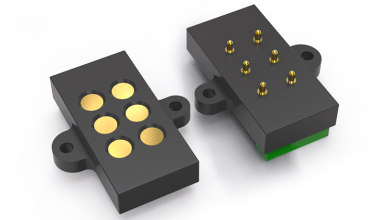

Aircraft operators need their oxygen systems to be advanced enough to generate the thrust needed to fly the jets. The air tends to become thinner at higher altitudes, which means that fewer oxygen molecules are available in the sky to boost the engine. Subsequently, this decrease in oxygen density can affect the pilots as well as the engines of the jets, which is where the MH oxygen comes in for enhanced performance and endurance, especially when it comes to being more than ten thousand feet above ground.
Drop in Oxygen Density and Impact on Aircraft
Fewer oxygen molecules in the combustion process of the aircraft cause a reduction in the engine power output, which subsequently affects the performance of the aircraft. Simultaneously, flying at higher altitudes can change the “air-fuel” ratio, which further affects flame stability. Higher altitudes can also affect the residence time within the aircraft’s combustion chamber, which in turn can cause incomplete combustion and increase emissions.
Drop in Oxygen Density and Its Effect on Pilots
Understandably, a decrease in oxygen density can affect the tissues and organs, causing hypoxia, which is a condition that causes drowsiness, impaired judgment, and mental confusion. In the worst cases, hypoxia can cause unconsciousness, which can prove fatal to the pilots and passengers. The decline in cognitive function can compromise the safety element in flight operations.
How Can Oxygen Enhance Performance and Endurance
Supplemental oxygen, such as MH Oxygen, can benefit aircraft operators with a boost in performance, especially when flying more than ten thousand feet above ground, where the availability of oxygen is lower. Pilot John offers advanced oxygen systems not only for pilots and aircraft operators. Oxygen systems help conserve oxygen while enhancing safety at higher altitudes. You can leverage the in-built oxygen systems along with regulators, trans fillers, and other aircraft accessories that are exclusively designed to meet the needs of aircraft flying at high altitudes.
Eliminate the Need for Manual Adjustments
The oxygen systems meet safety standards by eliminating the need for manual adjustments. Compared to the traditional systems that are constantly flowing, the MH oxygen systems integrate a pulse demand system that delivers oxygen in pulses, which further ensures the efficient utilization of oxygen while reducing waste. Similarly, the system adjusts to the altitude automatically, which is why the pulse of each oxygen pulse depends on the altitude pressure, which is effective in compensating for changes in aircraft elevation without the need for manual adjustments.
Efficient Oxygen Delivery Ensures Enhanced Safety
MH Oxygen products ensure safety with efficient oxygen delivery, which helps aircraft operators with the comfort of being able to stay mentally alert during flight. This aspect is effective for counteracting the potential effects of hypoxia and preventing impaired judgment or fatigue at high altitudes. Subsequently, the automated oxygen delivery is effective in minimizing the potential workload on pilots, which can improve their flying experience. As a matter of fact, supplemental oxygen can help aircraft operate safely at pressure altitudes as high as 25 thousand feet above ground. Efficient oxygen delivery ensures longer flight time, too.
Conclusion
Flying at high altitudes introduces critical challenges for both aircraft performance and pilot safety due to the reduced oxygen density. As oxygen levels drop, engines experience diminished combustion efficiency, leading to lower thrust and increased emissions. Pilots, meanwhile, face the risk of hypoxia, which can impair cognitive function and compromise flight operations. Advanced oxygen delivery systems play a vital role in mitigating these risks by automatically adjusting to altitude changes and delivering oxygen efficiently. These systems enhance pilot alertness, reduce workload, and support safer, longer flights at altitudes exceeding 10,000 feet. By integrating modern oxygen technology, aircraft operators can ensure optimal performance, endurance, and safety in high-altitude environments.