
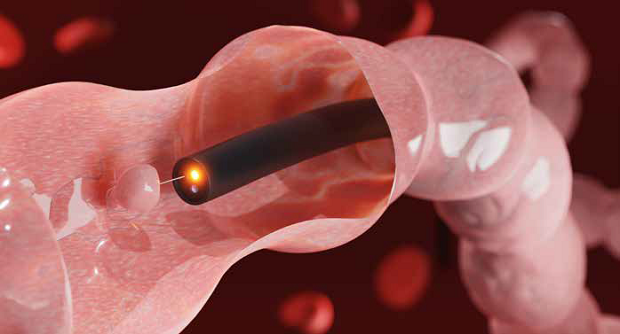
Colorectal polyps are common growths that develop in the lining of the colon or rectum, and while many are harmless, some can progress into colorectal cancer if left untreated. Detecting and removing these polyps early is essential, and regular screening through a colonoscopy plays a critical role in prevention.
For patients in Singapore, seeking care at a trusted colonoscopy clinic in Singapore ensures accurate detection, safe removal, and ongoing monitoring. This article will guide readers through the management of colorectal polyps and share effective strategies for prevention at a colonoscopy clinic Singapore.
Understanding Colorectal Polyps
Colorectal polyps are small growths that form on the inner lining of the colon or rectum, and they vary in type and potential risk. The most common types include adenomatous polyps, which are considered precancerous; hyperplastic polyps, which are generally benign; and inflammatory polyps, often associated with conditions like ulcerative colitis or Crohn’s disease.
While many polyps do not cause noticeable symptoms, certain factors can increase the likelihood of developing them, such as age over 50, a family history of colorectal cancer, obesity, smoking, or a diet high in red and processed meats. Regular screening at a colonoscopy clinic Singapore helps identify these polyps early, enabling timely removal and reducing the risk of progression to colorectal cancer. Understanding the nature of polyps is the first step toward effective prevention and long-term colon health.
Symptoms and When to Seek Screening
Many colorectal polyps do not cause noticeable symptoms, which is why regular screening is so important. However, some polyps may lead to warning signs that indicate the need for evaluation at a colonoscopy clinic Singapore. Patients should be aware of symptoms such as:
- Rectal bleeding – Bright red blood in stool or on toilet paper.
- Changes in bowel habits – Persistent diarrhea, constipation, or narrowing of stool.
- Abdominal discomfort – Cramping, bloating, or persistent pain.
- Unexplained weight loss – Significant weight changes without dietary or lifestyle causes.
- Fatigue or anemia – Often due to slow blood loss from polyps.
Individuals with a family history of colorectal cancer or genetic predisposition should consider earlier or more frequent screening. Recognizing these warning signs early and consulting a specialist can significantly reduce the risk of polyps progressing to colorectal cancer.
Colonoscopy for Polyp Detection and Removal
Colonoscopy is the most effective method for detecting and removing colorectal polyps, making it a cornerstone of preventive care at a colonoscopy clinic Singapore. During the procedure, a flexible tube with a camera is inserted into the colon, allowing the doctor to carefully examine the entire lining for abnormal growths. If polyps are found, they can often be removed immediately.
Key benefits of colonoscopy for polyp detection and removal include:
- Early detection of precancerous polyps – Reduces the risk of colorectal cancer.
- Immediate removal – Polyps can often be excised during the same procedure.
- Accurate diagnosis – Suspicious tissue can be biopsied for further analysis.
- Minimally invasive – Typically well-tolerated with minimal recovery time.
- Peace of mind – Ensures comprehensive evaluation of the colon lining.
By combining detection and removal in a single visit, colonoscopy provides both treatment and prevention, offering patients a safe and effective way to maintain colorectal health.
Advanced Techniques in Polyp Removal
Modern colonoscopy clinics in Singapore offer advanced techniques for polyp removal, improving safety and effectiveness. These methods are particularly useful for larger or more complex polyps that require specialized approaches. Common advanced techniques include:
- Endoscopic Mucosal Resection (EMR) – Removes larger polyps by lifting and excising the affected tissue with precision.
- Cold Snare Polypectomy – Uses a wire loop without cauterization to remove smaller polyps, reducing the risk of complications.
- Piecemeal Resection – Allows safe removal of very large polyps in sections to minimize damage to surrounding tissue.
- Enhanced Imaging Techniques – High-definition scopes and chromoendoscopy help identify subtle polyps that might be missed with standard imaging.
These advanced methods allow patients to undergo polyp removal safely, with shorter recovery times and lower risk of complications, ensuring optimal outcomes for colorectal health.
Prevention Strategies Post-Polyp Removal
After polyp removal, prevention strategies are crucial to reduce the risk of recurrence and maintain long-term colorectal health. Adopting a balanced diet rich in fiber, fruits, and vegetables while limiting red and processed meats can support digestive wellness. Regular physical activity, maintaining a healthy weight, and avoiding smoking and excessive alcohol intake also play important roles.
In addition to lifestyle changes, following the recommended colonoscopy schedule for follow-up screenings is essential, as some patients may develop new polyps over time. For individuals with a family history of colorectal cancer or genetic predispositions, genetic counseling and closer monitoring may be advised.
Choosing the Right Colonoscopy Clinic Singapore
Choosing the right colonoscopy clinic Singapore is an important step in ensuring accurate screening, safe polyp removal, and ongoing support. Patients should consider factors such as the experience and qualifications of the medical team, the availability of advanced equipment, and the clinic’s approach to patient care and comfort.
A clinic that offers personalized consultation, clear explanations of procedures, and comprehensive follow-up plans can make a significant difference in both outcomes and the overall experience. Additionally, clinics that provide access to the latest techniques for polyp detection and removal help patients receive care that is both effective and minimally invasive, giving peace of mind throughout the screening process.
Conclusion
Regular colonoscopy and timely polyp removal are essential steps in maintaining colorectal health and preventing colorectal cancer. By staying proactive with screenings and following preventive strategies, patients can significantly reduce their risk and enjoy greater peace of mind. To schedule a consultation or discuss colonoscopy screening, you can contact:
Alpine Surgical Practice – Dr Aaron Poh | Colonoscopy | Gallstones Removal Singapore
(Mount Elizabeth)
3 Mount Elizabeth, #14-06 Medical Centre, Singapore 228510
(Parkway East)
319 Joo Chiat Place #04-07 Parkway East Medical Centre, 427989
Phone: +65 6322 7323
WhatsApp: +65 8875 0080