
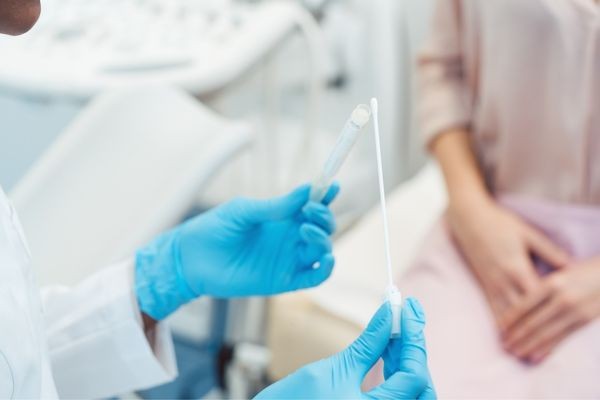
Women’s health screening tests are designed to help spot problems early, when they are easier to treat. You may wonder if they are worth it. The answer is yes, because screening can find issues before you feel symptoms.
A good screening covers areas like blood health, reproductive hormones, and pelvic health. When timed right, these tests give clear results—even if you are on your period.
For example, fertility testing which can be done between days 2 and 5 of the menstrual cycle can measure key hormones like FSH, LH, and oestradiol to check how well your ovaries are working. If you’d like to read more about fertility testing, please follow this link: https://drmaliclinic.com/gynaecological-screening/.
We’d also like to mention that early detection of conditions like anaemia, hormonal imbalance, or uterine fibroids means you can start treatment sooner and this can improve your comfort and long-term health. If you’re like many people, screening during menstruation may seem awkward.
But, did you know that many key tests still work well? On this page, we will show you which tests you can do during your period. But before that;
What Blood Tests are done for Abnormal Periods?
If you have noticed a new or strange pattern with your periods, you will want to know for sure what could be going on. Like many people you may want to ask; what blood tests are done for abnormal periods? Here are the blood tests which are done for abnormal periods:
- Full Blood Count (FBC): This test measures all your blood cells, including red and white blood cells and platelets. Low red blood cell counts may be suggestive of anaemia, which can happen with heavy bleeding. If your FBC is normal but you still feel tired, your doctor may suggest more tests.
- Iron Studies: Iron studies check levels of iron, ferritin and total iron-binding capacity. Ferritin shows how much iron your body stores. Low ferritin often links to iron-deficiency anaemia from heavy periods. Your doctor may prescribe iron supplements if these levels are low.
- Thyroid Function Tests: Thyroid hormones help regulate your metabolism and menstrual cycle. An underactive thyroid can cause heavy or irregular periods. An overactive thyroid can lead to lighter or scanty periods. Testing TSH, T3 and T4 lets your doctor adjust treatment to keep your cycle on track.
- Hormone Panel: A hormone panel may include oestrogen, progesterone, FSH and LH. These hormones control ovulation and the menstrual cycle. Imbalances can cause irregular cycles, missed periods or ovarian cysts. Testing mid-cycle or in the first few days of your period gives the most accurate readings.
- C-Reactive Protein (CRP): CRP is a marker of inflammation in your body. High CRP levels could signal endometriosis, pelvic inflammatory disease or other inflammatory conditions. While not specific, elevated CRP can prompt further imaging tests. It helps your doctor decide if more detailed scans are needed.
What Tests should be done During Periods?
As earlier explained, as awkward as it may seem, it is still possible to get screened when on your periods. In fact, some tests for structural issues or infections work well even when you are menstruating. Here are five tests that should be done during periods;
- Pelvic Ultrasound: A pelvic ultrasound uses sound waves to create images of your uterus and ovaries. You may have a transabdominal scan, which requires a full bladder, even on your period. The bleed does not stop the sonographer from seeing fibroids, cysts or thickened uterine lining.
- Endometrial Sampling: In some cases, your doctor may recommend a small tissue sample from your uterine lining. This is called endometrial sampling or biopsy and it helps detect abnormal cells or tissue overgrowth. The procedure can be done during light flow days for easier sampling.
- STI Screening: Sexually transmitted infections like chlamydia or gonorrhoea can affect your menstrual health. You can still provide a urine sample or vulvovaginal swab during your period. The presence of blood does not stop labs from detecting infection.
- Pap Smear (Cervical Screening): Ideally, a Pap smear which should be done from age 21 is done when you are not bleeding. However, if your period is very light, some clinics will still collect cervical cells. They use a speculum and a brush to gather cells from the cervix. If the bleed is too heavy, you may need to reschedule.
- Urine Analysis: A urine test checks for urinary tract infections or kidney issues that can cause pelvic pain. For a urine analysis, you simply provide a mid-stream sample into a clean container. Period blood does not affect most parts of this test and it can also measure hydration levels and kidney function markers.
How do you Prepare for your Screening During your Cycle?
To prepare for screening during your cycle, the first thing you will want to do is to track your cycle. Begin by noting the first day of bleeding and the heaviness of each day.
This will help you and your doctor to pick the best date for tests that need light flow. For example, an endometrial sample works best two to three days into a light period.
Now, depending on the specific tests you will have, it may help to also avoid vaginal products before the tests. For example, if you’re scheduled for tests like cervical screening or STI swabs, you will want to skip douching, creams or oils for 48 hours before your appointment.
These products can wash away cells or introduce contaminants. In fact, they may even force a repeat test. Simple soap and water are just fine.
As for what to carry to the clinic on the day of your women’s health screening in Singapore, bring sanitary pads, period underwear and spare underwear in case of leaks during scans. Wear loose clothing to stay comfortable during pelvic exams.
You might also want disposable wipes, a plastic bag for soiled items and a small towel. Please, note that some tests can cause mild cramping or spotting afterward, such as endometrial sampling.
With this in mind, please plan light activities and avoid rushing to work. If possible, ask a friend or family member to escort you home, especially after invasive procedures.
Not forgetting, each clinic may have its own rules about testing on your period. Some may ask you to reschedule Pap smears but allow blood tests.
Others may have guidelines for ultrasound prep, like a full bladder. Always read the pre-appointment leaflet and call the clinic if you are unsure.
Wrapping Up
Even during your period, key tests like blood counts, hormone panels and pelvic scans can reveal important information. Regular screening ensures you’re well placed to take action quickly.
So, don’t wait until symptoms worsen. If you have a test that is due on your periods, please speak to a women’s health clinic in Singapore about booking your next screening.
If you’re in Singapore, we welcome you to visit our clinic for expert blood tests, pelvic imaging and personalised care—even during your period. Cal or visit us at;
Dr Ma Li Clinic For Women & Advanced Pelvic Surgery – Gynaecologist | Endometriosis Singapore
3 Mount Elizabeth, #09-08 Medical Centre, Singapore 228510
Phone: +65 6022 0933