
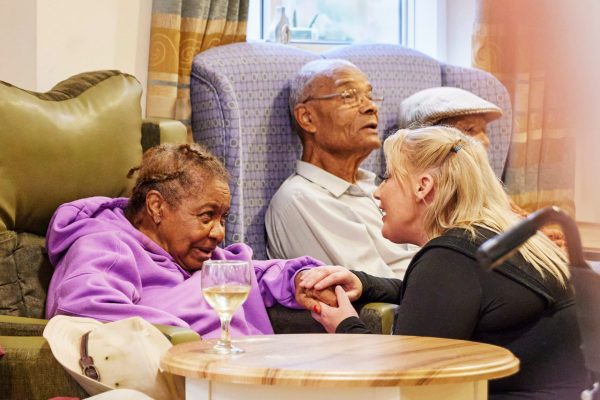
Music has a unique power that transcends the limitations of spoken language. A familiar song can evoke memories, emotions, and connections in ways that conversation sometimes cannot. For older adults, particularly those experiencing memory changes or communication challenges, music serves as a bridge to their inner world. This phenomenon is not simply entertainment; it represents a fundamental aspect of how the human brain processes meaning and connection. Understanding why familiar music reaches people so deeply can help families and care partners find new ways to connect with their loved ones.
How Memory and Music Interact in the Brain
The brain stores musical memories differently than it stores other types of information. When someone listens to a song they heard decades ago, multiple brain regions activate simultaneously, including areas responsible for emotion, memory, and motor control. This simultaneous activation creates a rich, multisensory experience that can feel more vivid and real than words alone. For older adults experiencing cognitive changes, musical memories often remain intact even when other types of memory become less reliable. The melody, rhythm, and emotional content of a familiar song can unlock memories that seem less accessible in everyday conversation. This is why an aging adult who struggles to recall recent events might suddenly sing along to a song from their youth with perfect clarity.
The Emotional Bridge That Words Cannot Build
Familiar music connects to emotions in direct, unfiltered ways. A particular song might remind someone of a person they loved, a time of joy, or an important moment in their life, and those emotional associations remain powerful across decades. When verbal communication becomes difficult or when someone feels isolated, music provides an alternative pathway for emotional expression and connection. Researchers have observed that people living with dementia often respond emotionally to music even when they cannot engage in conversation, suggesting that music reaches parts of the mind that language cannot access. For care partners and family members, sharing music can create moments of genuine connection without the pressure of having to find the right words. These shared experiences can reduce feelings of loneliness and helplessness on both sides of the relationship.
Creating Personalized Musical Environments
The most effective use of music involves selecting songs that hold personal meaning for the individual. A song from someone’s college years, a favorite recording of a beloved performer, or music that played during an important life event carries far more weight than generic background music. Discovering which songs resonate most often requires conversations with family members, friends, or long-time team members who understand the person’s history. Once identified, these songs can become part of a regular listening routine, providing comfort during difficult moments or simply enriching daily life.
Communities like Terrabella Newton recognize the value of incorporating resident preferences into their Memory Care environments, ensuring that personal musical choices become part of the broader care approach. The GLOW® Memory Care in Newton, NC program provides a person-centered framework that supports emotional connection and well-being for residents living with memory changes, with music woven throughout daily life enrichment programs. Creating playlists around individual taste shifts music from passive background sound into a meaningful tool for well-being and connection.
Music as a Communication Tool for Care Partners
When traditional conversation becomes strained or difficult, care partners can use music as an alternative form of communication. Singing together, playing an instrument, or simply sitting quietly with meaningful music can convey care, presence, and understanding without requiring words. This approach removes the pressure that can come with trying to fill silences or maintain conversation when memory loss makes dialogue challenging. Music also provides a framework for spending time together that feels natural and purposeful rather than obligatory or clinical. For team members working in senior communities, learning about residents’ favorite songs and musical preferences allows them to build relationships based on shared enjoyment rather than task completion alone. This shift in focus often leads to stronger connections between residents and the people who support them.
The Science Behind Rhythm and Well-Being
The rhythmic elements of music influence the body and mind in measurable ways. A steady, predictable rhythm can slow racing thoughts, lower heart rate, and create a sense of calm and safety. For older adults experiencing anxiety, agitation, or confusion, the structured nature of music can provide grounding and orientation. Familiar music adds another layer to this benefit because recognition itself brings comfort and a sense of control. When someone hears a song they know and love, they experience a moment of certainty in their day, a reliable anchor that feels consistent and true. The combination of rhythm, emotion, and familiarity makes music a meaningful, non-pharmacological approach to supporting mental and emotional health across senior living environments.
Conclusion
Familiar music reaches people in ways that words often cannot because it engages multiple systems in the brain and heart simultaneously. For older adults facing communication challenges, memory changes, or feelings of isolation, music serves as a direct line to emotion, memory, and connection. By recognizing the power of personally meaningful songs and making them part of daily life, families and care partners can create moments of genuine understanding and companionship. Whether through shared listening, singing together, or simply enjoying a favorite song, music offers a path to reach the people we care about when other avenues seem closed. Familiar melodies carry the power to connect and remind us that meaning and joy transcend the boundaries of language.


