
SUNJOY includes both steel and plastic structures in its storage shed collection, but the company does not identify one material as universally longer lasting. Extreme weather exposes different weaknesses: a metal shed may face corrosion or denting, while plastic panels may experience ultraviolet aging, movement, or impact damage under certain conditions.
Longevity rests on more than the wall material. Wind anchoring, foundation stability, roof geometry, fastener quality, drainage, maintenance, and local temperature ranges can determine whether a storage shed remains serviceable. A well-installed modest model may outlast a larger structure placed on an uneven base.
The comparison should therefore focus on the site’s main hazards. Coastal salt, heavy snow, intense sun, hail, repeated freeze-thaw cycles, and strong gusts do not affect every shed in the same way. Buyers need model specifications and local conditions instead of a broad claim that one category always wins.
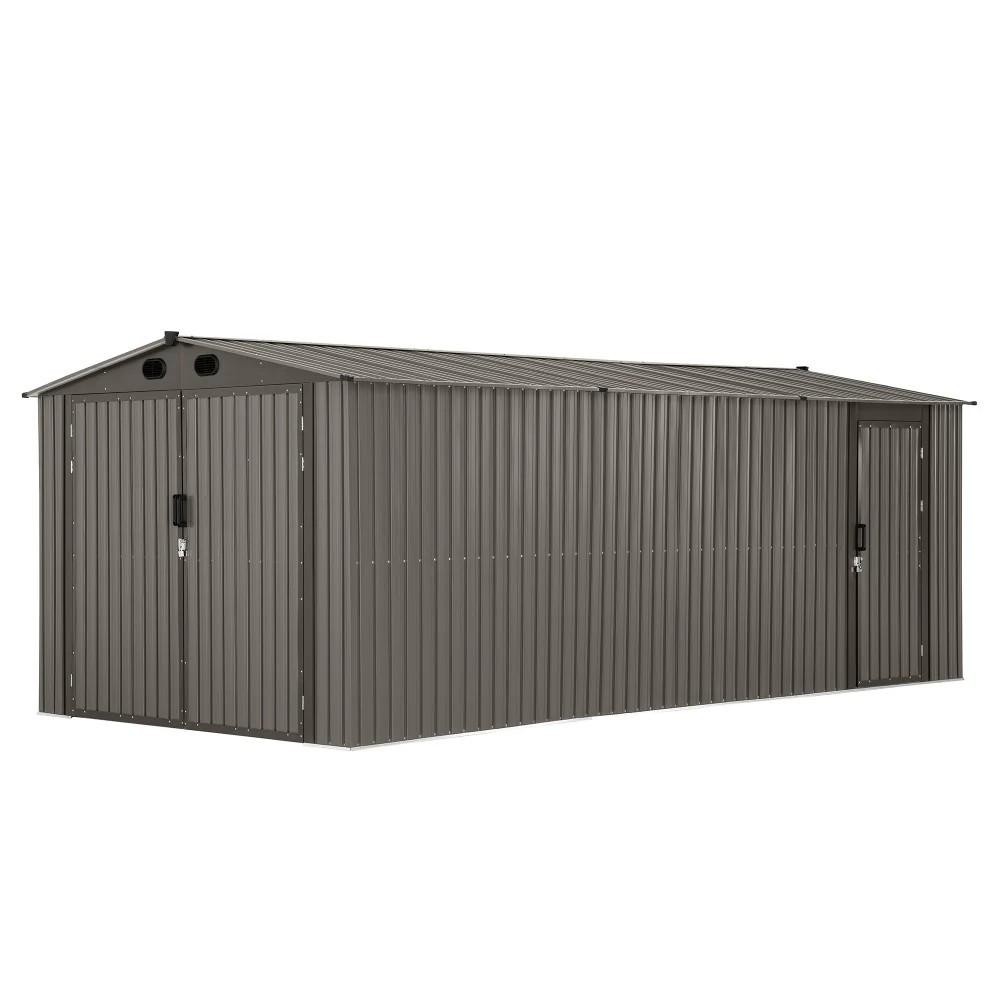
Compare Structural Behavior in Wind and Impact
A metal shed often uses thin formed panels connected to a framed system. Proper assembly creates a rigid enclosure, but loose fasteners or a distorted base can lower that benefit. Steel panels may dent during hail or impact, and damaged protective coatings can expose the underlying metal to moisture.
Plastic panels typically resist ordinary rust because the wall material is not steel, yet lightweight construction can make anchoring especially important. Panels and joints still need to tolerate wind pressure, debris, and repeated temperature changes. A plastic storage shed should not be assumed secure simply because it is easy to assemble.
Wind performance comes from the whole system: anchors, base, posts, panels, roof connections, doors, and site exposure. Open doors can create additional pressure during a storm, while nearby fences or buildings may alter airflow. The manual’s anchoring instructions and published ratings should guide preparation for both materials.
Hail risk illustrates why material labels are incomplete. Thin metal may show dents while remaining serviceable, whereas some plastic panels may resist small impacts but crack under colder conditions. The relevant evidence is the exact panel design and test information, not a general belief that one surface is always tougher.
Repairability also differs by model. A dented metal panel may remain functional or may need replacement, while cracked plastic may be difficult to patch neatly. Before purchase, the buyer should investigate replacement-part availability instead of relying on a general assumption about the durability of a metal shed or plastic alternative.
Examine Moisture, Sunlight, and Temperature
Steel can perform for many years when coatings remain intact and water drains away. Scratches, coastal salt, trapped leaves, and condensation deserve attention because they can initiate corrosion. Fastener materials and cut edges require inspection, particularly where a metal shed is exposed to frequent rain or irrigation.
Plastic avoids conventional steel corrosion, but prolonged ultraviolet exposure may affect color, surface condition, or brittleness depending on the resin and formulation. Heat can likewise cause expansion, while very low temperatures may change impact behavior. Model documentation is more useful than treating all plastic panels as identical.
Condensation can occur in either storage shed when humid air meets cooler surfaces. Ventilation, dry stored items, a suitable base, and spacing around walls help control moisture. Neither material should be packed tightly with wet cushions, grass-covered tools, or leaking containers and then expected to remain dry.
Insurance and local building requirements may affect the choice in storm-prone regions. Some locations require specific anchoring or setbacks, and an insurer may ask how the structure is secured. These administrative details should be resolved before the storage shed is loaded with items that would be difficult to relocate.
Snow and ice place load on the roof and can block drainage. The owner should follow the model’s published limits and safe snow-removal guidance instead of climbing onto the structure. Freeze-thaw movement around an inadequate base can misalign panels and doors regardless of whether the shed is metal or plastic.
Judge SUNJOY Models by Installation and Maintenance
SUNJOY presents its sheds as weather-resistant storage and multi-use spaces, with many products offering anchoring kits or pre-drilled points for approved bases. Those features support installation, but they do not replace exact instructions, local code checks, or additional professional assessment in highly exposed locations.
A metal shed may suit owners who value rigidity and accept coating inspection, while a plastic model may appeal where corrosion is a major concern and lighter components are useful. The better choice rests on panel construction, roof design, door hardware, ventilation, warranty language, and the weather hazard likely to occur.
Routine care narrows the difference between materials. Keeping the base level, clearing debris, tightening approved fasteners, repairing damage, and controlling moisture can extend service life. Neglect can shorten the life of either structure even when the original material is well matched to the climate.
Door hardware deserves separate attention because repeated wind pressure and temperature movement often appear there first. Hinges, latches, thresholds, and seals should operate without force. A door that suddenly rubs may indicate foundation movement or frame distortion instead of a problem that should simply be trimmed away.
There is no defensible single winner for every region. Extreme-weather durability comes from material, engineering, site, anchoring, and maintenance working together. A buyer comparing a SUNJOY storage shed and metal shed option should rely on model-specific evidence and realistic local exposure instead of a universal ranking.

