
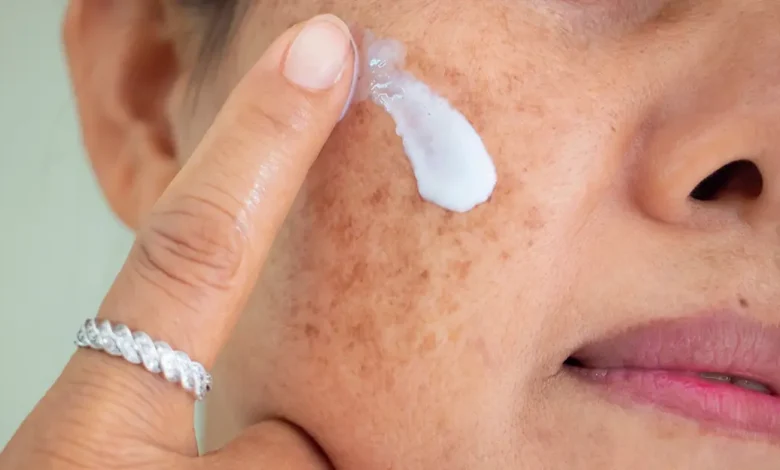
Melasma is a common pigmentation condition that often appears or becomes more noticeable during pregnancy due to hormonal changes that stimulate increased melanin production in the skin. It is sometimes referred to as the “mask of pregnancy” because of its characteristic pattern of brown or greyish patches, typically affecting the cheeks, forehead, upper lip, and nose. While melasma is medically harmless and does not pose any risk to the mother or baby, it can be emotionally distressing, especially when the pigmentation becomes more visible over time.
This often leads many women to explore options for melasma removal in the hope of restoring a more even skin tone. During this period, it is important to understand that treatment approaches need to be carefully considered for safety. For those seeking more information on professional care options, you may read here https://harmonyaesthetics.sg/picoplus-singapore/.
What Causes Melasma During Pregnancy
Melasma during pregnancy is primarily driven by hormonal changes, particularly the increase in oestrogen, progesterone, and melanocyte-stimulating hormone, all of which can stimulate melanocytes to produce more pigment than usual. This heightened activity leads to the formation of uneven, patchy pigmentation on areas of the face that are more exposed to sunlight. In many cases, women who previously had mild or no pigmentation concerns may suddenly notice these changes becoming more pronounced during the second or third trimester.
In addition to hormonal factors, external triggers play a significant role in worsening melasma. Sun exposure is one of the most important contributors, as ultraviolet (UV) light directly activates pigment-producing cells and deepens existing patches. This is especially relevant in a tropical climate like Singapore, where UV levels remain high throughout the year. Heat and visible light exposure can also aggravate pigmentation, making melasma more persistent and challenging to manage.
Genetics is another key factor that influences susceptibility. Individuals with a family history of melasma or pigmentation disorders are more likely to develop the condition during pregnancy. Skin type also matters, with Asian skin tones being more prone to post-inflammatory pigmentation and melasma due to higher baseline melanocyte activity.
First-Line Management – Sun Protection Is Essential
Sun protection is the most important and effective first step in managing melasma during pregnancy, and it forms the foundation of any safe melasma removal approach. Without consistent UV protection, pigmentation tends to worsen regardless of other skincare measures. Daily use of a broad-spectrum sunscreen that protects against both UVA and UVB rays is essential, with SPF 30 to 50 generally recommended. Reapplication throughout the day is equally important, especially in Singapore’s strong tropical sunlight where UV exposure is high even on cloudy days.
Physical sun protection methods should also be part of the routine. This includes wearing wide-brimmed hats, using umbrellas, and seeking shade whenever possible during peak sunlight hours, typically between 10am and 4pm. These simple but consistent habits can significantly reduce the stimulation of melanocytes and help prevent existing pigmentation from becoming darker or more widespread.
It is also important to recognise that heat and visible light can contribute to worsening melasma. This means that even indirect sun exposure or prolonged outdoor activity can have an impact. Therefore, combining sunscreen with physical barriers provides a more comprehensive level of protection.
Safe Options for Managing Melasma During Pregnancy
During pregnancy, melasma removal should focus on safe, gentle measures that help control pigmentation without affecting maternal or fetal health. The goal is to stabilise the condition rather than aggressively treat it.
Key safe options include:
- Mineral sunscreens (zinc oxide or titanium dioxide): Physically block UV rays and are generally well tolerated in pregnancy.
- Gentle skincare: Use fragrance-free, non-irritating products to minimise inflammation that can worsen pigmentation.
- Hydration and barrier repair: Helps maintain skin resilience and reduce sensitivity.
- Azelaic acid (doctor-guided): Sometimes considered safe and may help reduce pigmentation gradually.
All active ingredients should be used cautiously and ideally under medical supervision, as pregnancy skin can react differently.
Treatments and Ingredients to Avoid During Pregnancy
When considering melasma removal during pregnancy, it is just as important to understand what should be avoided as it is to know what is safe. Many standard pigmentation treatments are not recommended due to limited safety data in pregnancy or the potential for systemic absorption.
Key treatments and ingredients to avoid include:
- Retinoids (vitamin A derivatives): Common in anti-ageing and pigmentation products but not recommended during pregnancy.
- Hydroquinone (high-strength or medical-grade): Often used for pigmentation but has higher systemic absorption risk.
- Strong chemical peels: Such as high-concentration glycolic, TCA, or combination peels.
- Laser and energy-based treatments: Generally deferred unless specifically advised by a doctor due to unpredictable skin response.
During pregnancy, the skin is more reactive and prone to post-inflammatory pigmentation, so aggressive melasma removal procedures are typically postponed until after delivery.
Role of Medical Treatments After Pregnancy
After pregnancy, melasma removal can be approached more effectively because hormone levels gradually stabilise, making the skin less reactive and more predictable in its response to treatment. At this stage, a wider range of medical options can be considered depending on the severity and depth of pigmentation.
Common post-pregnancy treatment options include:
- Medical-grade topical agents: Such as hydroquinone, retinoids, or combination depigmenting creams prescribed under supervision.
- Chemical peels: Light to medium-depth peels to help improve uneven pigmentation and skin renewal.
- Laser and light-based therapies: Selected carefully based on skin type, as some devices may carry a risk of rebound pigmentation if not properly indicated.
- Combination therapy: Often yields better results than single-modality treatment, especially for stubborn melasma.
Even after delivery, melasma removal requires a long-term management approach, as recurrence is common without ongoing sun protection and maintenance skincare.
Conclusion
Melasma during pregnancy is a common but manageable skin condition that often requires patience and a cautious approach. While it cannot usually be fully removed during pregnancy, it can be stabilised with consistent sun protection, gentle skincare, and careful avoidance of high-risk treatments. Most definitive melasma removal options are best reserved for after delivery when hormonal levels have settled and the skin is more receptive to treatment.
If you are concerned about pigmentation changes during or after pregnancy, a personalised assessment can help determine the most suitable and safe melasma removal plan for your skin. To understand suitable treatment options for you, book a consultation with us, at:
Harmony Aesthetics Clinic – Titanium Lifting | Sofwave | Ultherapy | Freckles | Melasma Treatment Singapore
〒239693, Grange Rd, 1号, Orchard Building, #13-01
Phone: (65) 6970 5418


