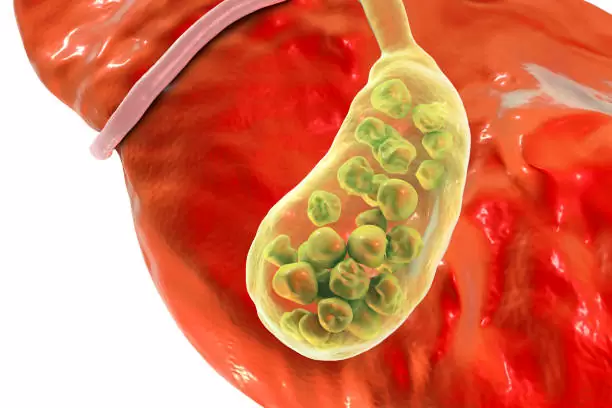
Gallstones are a relatively common condition in Singapore, often found incidentally during routine health screenings or after episodes of abdominal discomfort. In many cases, they may remain silent or cause only mild, intermittent symptoms. However, when complications such as jaundice or a blocked bile duct develop, the situation becomes significantly more serious and requires prompt medical attention.
These signs often indicate that gallstones are no longer confined to the gallbladder but are affecting the normal flow of bile from the liver, which can lead to infection, inflammation, or organ dysfunction if left untreated. In such scenarios, treatment may go beyond simple observation or medication, and gallbladder removal Singapore is often considered as a definitive solution to prevent recurrence and further complications. This article will explore when surgery becomes necessary in these more complex cases and what patients should expect when seeking care from a trusted gallbladder removal doctor.
What Jaundice Means in Gallbladder Disease
Jaundice is one of the most important warning signs that gallstone disease may have progressed beyond the gallbladder itself. It is typically recognised by a yellowing of the skin and the whites of the eyes, often accompanied by dark urine and pale stools. In the context of gallbladder disease, jaundice usually occurs when a gallstone blocks the common bile duct, preventing bile from flowing normally from the liver into the intestine. As a result, bilirubin builds up in the bloodstream, leading to the visible yellow discoloration.
Unlike simple gallbladder pain, jaundice suggests that the biliary system as a whole is affected, which may increase the risk of infection or inflammation in the bile ducts. When this happens, patients are often assessed urgently, as the condition can worsen quickly if the blockage persists. In many such cases, gallbladder removal singapore is considered as part of a broader treatment plan once the immediate obstruction is managed, to reduce the risk of future episodes and complications.
How a Blocked Bile Duct Happens
A blocked bile duct usually occurs when a gallstone moves out of the gallbladder and becomes lodged in the common bile duct, which is the main channel that carries bile from the liver and gallbladder into the small intestine. This condition is known as choledocholithiasis and is more serious than gallstones confined within the gallbladder itself. When the duct is blocked, bile cannot flow properly, leading to a buildup of pressure in the biliary system.
This obstruction can also trigger inflammation or infection in the bile ducts, a condition known as cholangitis, which may present with fever, abdominal pain, and jaundice. In some cases, liver function can become affected if the blockage is not relieved promptly. Because of these risks, patients are usually investigated urgently with blood tests and imaging such as ultrasound or MRI scans to confirm the diagnosis.
Once the immediate blockage is treated, often with procedures such as ERCP to remove the stone, doctors will typically consider gallbladder removal singapore to prevent further stones from forming and migrating into the bile duct again.
Symptoms That Should Not Be Ignored
When gallstones lead to bile duct blockage or jaundice, the symptoms are usually more severe and distinct compared to routine gallbladder discomfort. Recognising these early can help prevent complications such as infection or worsening obstruction.
Common warning signs include:
- Yellowing of the skin and eyes (jaundice)
Often the most visible sign, indicating bile buildup in the body. - Dark urine and pale stools
A result of disrupted bile flow into the intestines. - Persistent or worsening upper abdominal pain
Pain may be more intense than typical gallstone attacks and can radiate to the back or right shoulder. - Nausea and vomiting
Frequently persistent when the bile duct is obstructed. - Fever and chills
May indicate infection of the bile ducts (cholangitis), which requires urgent attention.
When these symptoms occur together, they suggest a more advanced form of gallstone disease rather than simple gallbladder irritation. In such situations, prompt medical evaluation is essential, as treatment may involve urgent intervention followed by gallbladder removal singapore to prevent recurrence and further complications.
Why Gallbladder Removal Singapore Is Often Recommended
When jaundice or bile duct blockage occurs due to gallstones, treatment usually involves more than just relieving the immediate obstruction. After stabilising the condition, often with procedures like ERCP to remove stones from the bile duct, definitive treatment is typically advised to prevent recurrence.
This is because gallstones formed in the gallbladder can migrate again and cause repeated blockages or infections. As a result, gallbladder removal singapore is commonly recommended once the acute episode has been managed.
Timing of Surgery: Emergency vs Planned Gallbladder Removal
The timing of gallbladder removal depends on how severe the condition is at presentation and whether complications such as infection are present. In some cases, patients present with acute cholangitis, which may require urgent hospital admission, antibiotics, and immediate procedures to relieve the bile duct obstruction before any surgery is considered.
Once the acute inflammation or infection is controlled, doctors usually recommend gallbladder removal to prevent recurrence. This can be performed either during the same hospital stay or scheduled later as an elective procedure, depending on the patient’s stability and overall condition.
What Patients Can Expect From Gallbladder Removal Surgery
Gallbladder removal, commonly performed using a laparoscopic (keyhole) approach, is the standard treatment after complications like bile duct blockage have been managed. The procedure involves removing the gallbladder through small abdominal incisions, which typically results in less pain, minimal scarring, and faster recovery compared to open surgery.
Most patients in Singapore can expect a short hospital stay, often discharged within 1–2 days if there are no complications. After surgery, mild bloating or digestive adjustment may occur temporarily as the body adapts to bile flowing directly from the liver.
Conclusion
Gallstones that lead to jaundice or bile duct blockage represent a more advanced and potentially serious stage of gallbladder disease. While urgent treatment is focused on relieving the obstruction and managing symptoms, the underlying source of the problem often remains unless addressed directly. For many patients, gallbladder removal singapore is recommended after recovery to reduce the risk of recurrence and further complications, helping restore long-term digestive stability and peace of mind.
If you are experiencing symptoms of gallstones, jaundice, or recurrent abdominal pain, a proper assessment can help determine the right timing and treatment options. To find out more or arrange a consultation, you may contact our clinic at:
Tan Siong San Surgery – Gallbladder | Liver | Pancreas Specialist Singapore
38 Irrawaddy Rd, #09-58 Mount Elizabeth Novena Specialist Centre, Singapore 329563 (Mount Elizabeth Novena Hospital)
Phone: +65 6970 8852