
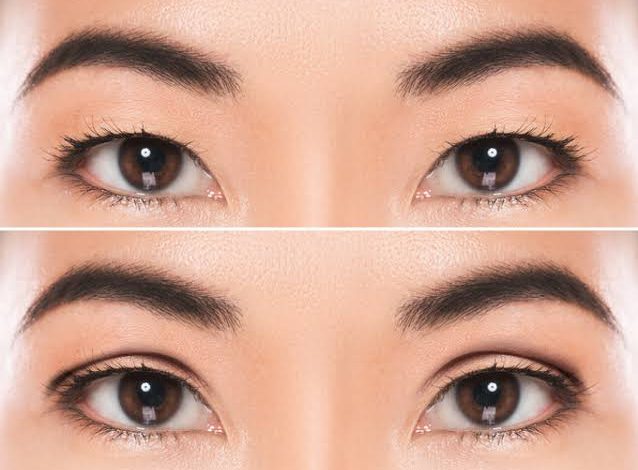
Eyelid asymmetry is a common concern where the two eyes may differ in crease height, eyelid shape, openness or overall appearance. Uneven eyelid creases can occur due to natural differences in facial anatomy, variations in eyelid muscle function, skin laxity or changes that develop over time. While mild asymmetry is common, some individuals may feel self-conscious about uneven eyes, particularly in photographs or when applying makeup.
Double eyelid surgery is a procedure that may help create more balanced eyelid folds by refining the crease and improving eyelid definition while taking into account each person’s unique eye structure. For those considering this procedure, understanding the options available for double eyelid surgery in Singapore can help with making an informed decision based on individual goals and needs.
Common Causes Of Uneven Eyelid Creases
Uneven eyelid creases can develop due to various factors that affect the structure and function of the eyelids. While some individuals naturally have differences between their eyes from birth, others may notice changes over time due to ageing or other factors. Common causes of uneven eyelid creases include:
- Natural facial asymmetry: Minor differences in eye shape, eyelid height or crease formation are common and may be part of a person’s natural features.
- Differences in eyelid muscle function: Variations in the strength or movement of the eyelid-lifting muscles may affect how open the eyes appear.
- Uneven skin and soft tissue distribution: Differences in eyelid skin thickness, fat volume or tissue structure can influence crease formation.
- Age-related changes: Loss of skin elasticity or changes in eyelid tissues may alter the appearance of eyelid folds over time.
- Previous procedures or injuries: Past surgery, trauma or scarring may contribute to changes in eyelid symmetry.
A thorough assessment helps determine whether the asymmetry is related to eyelid structure, muscle function or other factors, which can guide the appropriate approach for improving eyelid balance.
How Double Eyelid Surgery Can Address Asymmetrical Eyes
Depending on the cause and degree of eyelid asymmetry, double eyelid surgery may help address concerns such as:
- Uneven eyelid folds: Creating a more consistent crease height and shape between both eyes.
- Poorly defined eyelid creases: Enhancing eyelid definition for individuals with less visible folds.
- Differences in eyelid openness: Improving eyelid appearance when one eye appears more closed than the other.
- Imbalanced eye appearance: Creating better overall symmetry while considering the patient’s natural eye structure.
During consultation, factors such as eyelid anatomy, skin condition and desired results are assessed to determine a suitable approach. A personalised treatment plan helps ensure the eyelid crease complements the patient’s facial proportions and aesthetic goals.
Surgical Techniques For Correcting Uneven Eyelid Creases
The choice of technique for double eyelid surgery depends on each individual’s eyelid anatomy, the degree of asymmetry and the desired outcome. Since uneven eyelid creases can result from different causes, the surgical approach is planned based on factors such as skin thickness, excess eyelid skin, fat distribution and eyelid muscle function.
Common techniques that may be considered include:
- Non-incisional double eyelid surgery: Small openings are used to create the eyelid crease without a full incision. This approach may be suitable for individuals with minimal excess skin and favourable eyelid structure.
- Incisional double eyelid surgery: A small incision allows for more detailed adjustment of the eyelid tissues. This technique may be considered for individuals who require greater correction or have excess skin or fat.
- Additional eyelid procedures: In some cases, procedures such as ptosis correction may be considered if eyelid drooping contributes to differences in eye openness.
A consultation allows the eyelid structure to be assessed before deciding on the most suitable technique. Careful planning helps create a more balanced eyelid appearance while maintaining natural-looking results.
Factors Considered During Double Eyelid Surgery Planning
Correcting uneven eyelid creases requires careful planning to ensure the new eyelid fold complements the patient’s natural features. Since every individual has different eye structures, a personalised approach is important when determining the most suitable surgical plan.
During assessment, factors that may be considered include:
- Existing eyelid crease height: The current position and shape of the eyelid fold help guide the desired crease design.
- Eye shape and facial proportions: The eyelid crease should complement the overall balance of the eyes and surrounding facial features.
- Eyelid skin thickness: Thicker eyelid skin may affect how the crease forms and settles after surgery.
- Amount of excess skin or fat: These factors can influence whether additional adjustments are needed during the procedure.
- Degree of asymmetry: Understanding the differences between both eyes helps determine the level of correction required.
Recovery and Expected Results
After double eyelid surgery, the recovery process involves gradual changes as the eyelid tissues heal and adjust to the new crease formation. The initial appearance of the eyelids may not reflect the final result, as swelling and tightness are common during the early stages of recovery. Patients may notice that one eye appears to settle faster than the other, especially when correcting pre-existing asymmetry.
During recovery, it is important to follow the recommended aftercare instructions and attend scheduled follow-up appointments. Activities that place strain on the eyes may need to be limited during the early healing period. Over time, the eyelid crease usually becomes softer and more natural-looking as swelling decreases.
Conclusion
Uneven eyelid creases can occur due to differences in eyelid structure, muscle function, skin characteristics or changes over time. Double eyelid surgery for asymmetrical eyes focuses on creating better balance while preserving the natural features of each individual. With proper assessment and treatment planning, the procedure can help improve eyelid definition and overall eye appearance. Interested in improving uneven eyelid creases? Schedule a call with us at:
Pearl Plastic Surgery, Laser & Scar Clinic (Royal Square): Dr Pearlie Tan
101 Irrawaddy Road, #17-08, Royal Square Medical Centre, Singapore 329565
6 Napier Rd, #05-03 Gleneagles Medical Centre, Singapore 258499
Phone: +65 6592 7880
WhatsApp: +65 9831 8618
Email: [email protected]


