
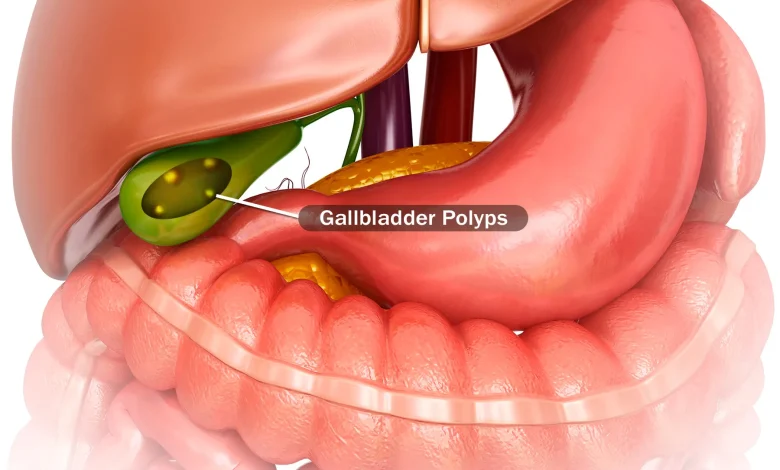
Gallbladder polyps are growths that develop on the inner lining of the gallbladder. In most cases, they are discovered incidentally during routine ultrasound scans or health screenings done for unrelated reasons. Many patients are surprised to learn they have gallbladder polyps because they usually do not cause any symptoms such as pain or digestive discomfort.
Despite being silent in most cases, the main concern for patients is whether these polyps carry a risk of cancer. This is where careful evaluation becomes important, as factors like size can help guide risk assessment and management decisions. In some cases, treatment may be recommended to remove gallbladder polyps depending on their characteristics and growth pattern.
Why Gallbladder Polyps Are Usually Found by Chance
Most gallbladder polyps are discovered incidentally, meaning they are not the reason a patient went for a scan in the first place. In Singapore, they are often picked up during routine health screenings or abdominal ultrasounds performed for unrelated symptoms such as general bloating or indigestion.
Because gallbladder polyps rarely cause discomfort, patients are usually unaware of their presence until imaging is done. This can understandably lead to anxiety, especially when the word “polyp” is associated with growths elsewhere in the body.
However, it is important to understand that not all gallbladder polyps are dangerous. Many are benign and remain stable for years without causing any issues. The key challenge is distinguishing which polyps require simple observation and which need closer follow-up or treatment. This is why proper assessment of gallbladder polyps is important even when symptoms are absent.
Types of Gallbladder Polyps
Gallbladder polyps are not all the same, and understanding their type helps explain why most are harmless while a small number may require closer attention. The main types include:
- Cholesterol polyps: The most common type, formed by cholesterol deposits in the gallbladder wall. These are benign and usually do not turn into cancer.
- Inflammatory polyps: Associated with chronic inflammation of the gallbladder. They are also non-cancerous but may indicate underlying irritation.
- Adenomatous polyps (adenomas): Less common, but these are important because they have the potential to become precancerous over time.
In most cases, imaging alone cannot definitively confirm the exact type of gallbladder polyp. This is why doctors often rely on size, appearance, and growth patterns over time when assessing risk and deciding on management.
Why Size Matters in Cancer Risk
Among all factors used to assess gallbladder polyps, size is one of the most important indicators of potential cancer risk. In general, smaller polyps are far more likely to be benign, while larger ones warrant closer evaluation.
As a guide:
- Small polyps (typically under 5 mm) are usually low risk and often remain stable over time
- Medium-sized polyps (5–9 mm) may require closer monitoring depending on other risk factors
- Larger polyps (10 mm and above) are more concerning and are more likely to be associated with pre-cancerous changes
It is important to note that size alone does not confirm whether a polyp is cancerous. However, it is a key factor used in combination with other clinical findings to guide decision-making. This is why careful evaluation of gallbladder polyps is essential, especially when they reach certain size thresholds.
Other Factors That Increase Cancer Risk
While size is a key indicator, it is not the only factor used to assess whether gallbladder polyps may carry a higher risk. Doctors also look at several other features that can help refine the overall risk profile.
These include:
- Age: Risk tends to increase in older patients
- Growth over time: Polyps that increase in size on follow-up scans are more concerning
- Number of polyps: A single larger polyp may raise more concern than multiple small cholesterol polyps, depending on appearance
- Presence of gallstones: Gallstones together with polyps may suggest a higher risk environment in the gallbladder
- Ultrasound features: Irregular shape, broad base (sessile polyps), or suspicious appearance may warrant closer evaluation
Because these factors often overlap, a comprehensive assessment is needed rather than relying on size alone. This is why structured follow-up and review of gallbladder polyps is important in guiding safe management decisions.
When Surgery May Be Recommended
Not all gallbladder polyps require removal, but surgery may be advised in certain situations where the risk of malignancy or future complications is higher. The decision is usually based on a combination of size, growth pattern, and overall risk profile. Surgery may be considered when:
- Polyps reach or exceed a concerning size threshold (commonly around 10 mm or more)
- There is documented growth on serial ultrasound scans
- The polyp has suspicious imaging features (e.g., irregular shape or broad base)
- There are additional risk factors such as older age or associated gallstones
- The patient develops symptoms that may be related to the gallbladder
In these cases, gallbladder removal is often recommended as a preventive measure rather than waiting for complications to develop.
Monitoring Small Gallbladder Polyps
For many patients with small gallbladder polyps, immediate treatment is not necessary. Instead, a structured monitoring approach is often recommended to ensure that any changes in size or appearance are detected early. This usually involves periodic ultrasound scans to track the polyp over time and assess whether it remains stable.
In most cases, small polyps do not grow and remain unchanged for years without causing any symptoms. Stability across repeated scans is generally reassuring and suggests a low risk of complications. However, any increase in size or subtle change in appearance may prompt closer evaluation.
Conclusion
Gallbladder polyps are often harmless and discovered incidentally, but they should not be dismissed without proper assessment. While most small polyps remain stable and low risk, factors such as size, growth, and imaging features play an important role in determining whether closer monitoring or treatment is needed.
If you have been diagnosed with gallbladder polyps or would like a clearer assessment of your condition, you may arrange a consultation with our clinic at:
Dr Lee Chin Li – Lee Surgery and Endoscopy | Colorectal Surgery | Gallbladder Surgery Singapore
Phone: +65 8952 6327
Gleneagles Medical Centre
Lee Surgery and Endoscopy
6 Napier Road, #04-16, Singapore 258499
Mount Elizabeth Medical Centre (Orchard)
Dr Lee @ KYM Surgery
3 Mount Elizabeth, #12-01, Singapore 228510
Farrer Park Medical Centre
Dr Lee @ KYM Surgery
1 Farrer Park Station Road, #13-05, Singapore 217562