
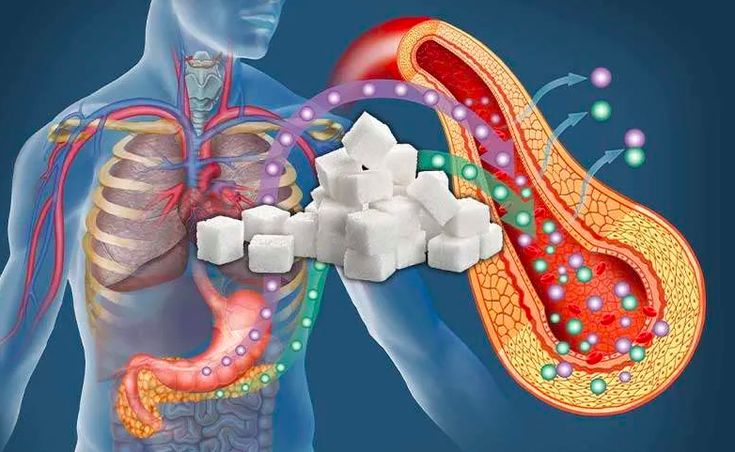
Pancreatic cancer is a serious cancer affecting people worldwide and remains an important cause of cancer-related deaths. According to GLOBOCAN 2022 estimates, there were approximately 511,000 new pancreatic cancer cases globally in a single year, alongside around 467,000 deaths.
The relatively high number of deaths compared with new cases reflects the aggressive nature of pancreatic cancer and the fact that it is often diagnosed at a later stage, when the disease may have already spread and treatment can be more complex. For people with persistent symptoms or concerning findings, consultation with a pancreatic cancer doctor can help determine whether further investigation is needed. Read more about this condition here https://www.leesurgery.com.sg/service/pancreatic-cancer/.
How Common Is Pancreatic Cancer Worldwide?
Pancreatic cancer is less common than several other major cancers, but its global impact is considerable because of its high mortality rate. GLOBOCAN 2022 estimated approximately 511,000 new cases worldwide in one year, making pancreatic cancer the 12th most commonly diagnosed cancer globally. In the same year, around 467,000 deaths were attributed to the disease, placing it among the leading causes of cancer mortality.
This close gap between the number of new cases and deaths highlights the serious prognosis associated with pancreatic cancer. The global burden also varies between populations, with differences in incidence influenced by factors such as age, lifestyle, smoking rates and population demographics.
Why Does Pancreatic Cancer Have Such A High Mortality Rate?
One reason pancreatic cancer has a high mortality burden is that it may not cause clear or specific symptoms during its early stages. Symptoms such as abdominal discomfort, back pain, reduced appetite, unexplained weight loss or jaundice can also occur with other conditions, which may make the underlying cause difficult to recognise initially. As the disease progresses, the tumour may grow into nearby structures or spread to other organs.
By the time pancreatic cancer is diagnosed, some patients may therefore have disease that is more difficult to treat surgically. The location of the pancreas deep within the abdomen can also make early tumours less apparent through routine physical examination. These factors contribute to the challenges of detecting and treating pancreatic cancer.
Risk Factors Behind The Global Burden
Several factors are associated with an increased risk of pancreatic cancer. However, having a risk factor does not mean that a person will necessarily develop the disease. Some recognised factors include:
- Older age: The risk of pancreatic cancer generally increases as people get older.
- Smoking: Current or previous cigarette smoking is an established risk factor.
- Chronic pancreatitis: Long-term inflammation of the pancreas can increase the risk.
- Obesity: Excess body weight has been associated with a higher risk of pancreatic cancer.
- Family history: Having close relatives with pancreatic cancer may increase an individual’s risk.
- Inherited genetic conditions: Certain inherited mutations and syndromes can increase susceptibility to pancreatic cancer.
- Diabetes: Diabetes has a complex relationship with pancreatic cancer, with both long-standing and new-onset diabetes potentially being relevant in different circumstances.
These factors can help doctors understand an individual’s overall risk, but they need to be considered alongside age, symptoms, family history and other clinical findings.
Why Early Assessment Matters
Early assessment can be important when symptoms are persistent, unexplained or occur alongside other concerning changes. Pancreatic cancer does not always produce distinctive symptoms in its early stages, so doctors may need to consider several possible causes before reaching a diagnosis. Depending on the clinical situation, investigations may include:
- Blood tests: These may help assess liver function, general health and other abnormalities.
- CT scans: These can provide detailed images of the pancreas and surrounding structures.
- MRI or MRCP: These imaging techniques can provide further information about the pancreas and bile or pancreatic ducts.
- Endoscopic ultrasound: This can produce detailed images of the pancreas and may allow tissue samples to be taken when appropriate.
The choice of investigations depends on the individual’s symptoms, medical history and initial findings. If pancreatic cancer is suspected, establishing an accurate diagnosis and determining how far the disease has progressed are important steps in planning appropriate care.
How A Pancreatic Cancer Doctor Plans Treatment After Diagnosis
Treatment for pancreatic cancer depends on several factors, including the location and size of the tumour, whether it has spread to nearby structures or other organs and the patient’s overall health. A pancreatic cancer doctor will assess these factors to determine which treatment approaches may be appropriate. Depending on the stage and characteristics of the disease, treatment may involve:
- Surgery: Removal of the tumour may be considered when the cancer can be safely removed.
- Chemotherapy: Medicines may be used to treat cancer cells and may be recommended before or after surgery, or when surgery is not suitable.
- Radiotherapy: Radiation may be considered in selected cases, depending on the location and extent of the cancer.
- Supportive care: Treatment may also address symptoms such as pain, jaundice, digestive difficulties or nutritional problems.
The treatment plan is individualised and may involve input from different medical specialists.
What The Global Numbers Mean For Patients
The global figures for pancreatic cancer show the scale of the disease, but they do not determine what will happen to an individual patient. Approximately 511,000 new cases and 467,000 deaths were estimated worldwide in 2022, but outcomes can vary considerably depending on when the cancer is diagnosed and its characteristics.
Factors such as tumour size, location, whether it has spread and whether it can be removed surgically can all influence treatment decisions. A patient’s age, general health and response to treatment are also relevant. For this reason, population-level statistics should be interpreted as an overview of the disease rather than a prediction of an individual’s prognosis.
A personalised assessment is needed to understand the diagnosis and appropriate treatment options. Have questions about your condition or need to arrange a consultation? Contact us at:
Dr Lee Chin Li – Lee Surgery and Endoscopy | Colorectal Surgery | Gallbladder Surgery Singapore
6 Napier Rd, #04-16 Gleneagles Medical Centre, Singapore 258499
Phone: +65 6255 0720


