Gallstones can remain silent for years without causing noticeable symptoms, but some people experience repeated episodes of abdominal pain when a stone obstructs the normal flow of bile. This pain, known as biliary colic, is commonly felt in the upper right or upper middle abdomen and may occur after eating. When these episodes become recurrent, an assessment for gallstones removal Singapore may be considered. However, having gallstones does not automatically mean surgery is necessary. The decision depends on factors such as the pattern and severity of symptoms, imaging findings and the patient’s overall health. For more information about gallstones and available treatment options, read here https://www.leesurgery.com.sg/service/gallstones/.
How Gallstones Cause Recurrent Abdominal Pain
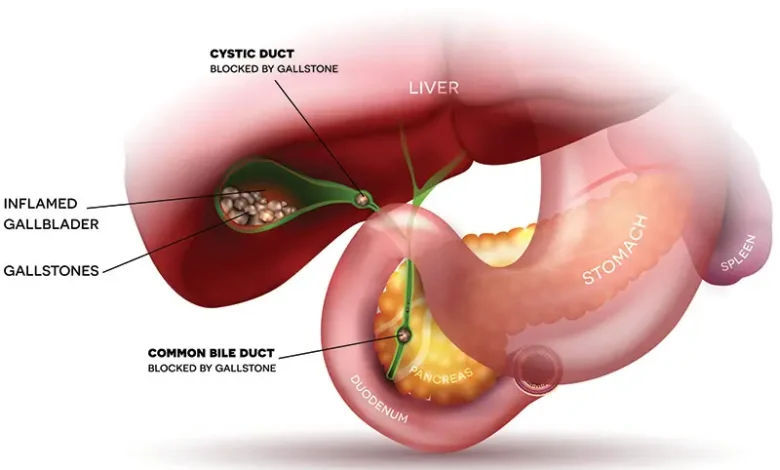
Gallstones form when substances in bile, such as cholesterol or bilirubin, become imbalanced and harden into stones within the gallbladder. Many gallstones do not cause symptoms, but problems can occur when a stone becomes lodged in the cystic duct, the passage through which bile leaves the gallbladder. This can cause the gallbladder to contract against the blockage, resulting in biliary colic.
The pain may develop suddenly in the upper right or upper middle abdomen and can sometimes spread to the back or right shoulder. Episodes may last from several minutes to a few hours before settling as the stone moves away from the duct. Repeated episodes suggest that the gallstones are causing symptoms and may warrant further assessment.
When Recurrent Pain May Lead to a Recommendation for Gallbladder Removal
Recurrent episodes of typical biliary colic may be a reason to consider gallbladder removal when gallstones have been confirmed. If pain occurs repeatedly and is consistent with symptomatic gallstone disease, surgery may help prevent further attacks and reduce the risk of developing certain gallstone-related complications.
Laparoscopic cholecystectomy, which involves removing the gallbladder through small incisions, is commonly considered for suitable patients. The frequency and severity of symptoms are important factors, but they are not the only considerations. A doctor may also review the ultrasound findings, previous episodes, medical history and general fitness for surgery. In contrast, gallstones found incidentally in someone who has no related symptoms may not require removal.
Tests Used Before Deciding on Gallstones Removal Singapore
Before recommending surgery, a doctor will assess whether the symptoms are consistent with gallstone disease and whether the gallstones are likely to be causing the pain. Several assessments may be used:
- Abdominal ultrasound: This is commonly used to detect gallstones and assess the gallbladder for signs of inflammation or other abnormalities.
- Blood tests: These may check liver function and look for signs of infection, inflammation or possible bile duct obstruction.
- Additional imaging: If there is concern about stones in the common bile duct or other complications, further imaging may be recommended.
- Clinical assessment: The doctor will consider the pattern of pain, previous episodes, medical history and physical examination findings.
Together, these findings help determine whether gallstones removal Singapore is appropriate and whether any additional investigation or treatment is needed.
When Recurrent Pain Could Indicate a Complication
Recurrent gallstone pain does not always remain uncomplicated. In some cases, a stone can cause prolonged blockage or move into the bile ducts, potentially leading to inflammation, infection or pancreatitis. Certain symptoms should therefore prompt timely medical assessment, particularly when they are more severe or persistent than previous episodes.
Warning signs may include:
- Persistent or worsening abdominal pain, particularly if it does not settle as usual
- Fever or chills, which may indicate inflammation or infection
- Jaundice, such as yellowing of the skin or eyes
- Repeated vomiting or difficulty keeping fluids down
- Significant abdominal tenderness or increasing discomfort
These symptoms can occur with complications such as acute cholecystitis, bile duct obstruction or gallstone pancreatitis.
What Gallbladder Removal Involves
For people with symptomatic gallstones who are suitable for surgery, gallbladder removal, or cholecystectomy, may be recommended to prevent further gallstone-related episodes. Rather than removing only the stones, the procedure removes the gallbladder itself, as stones can recur if the gallbladder remains. Laparoscopic cholecystectomy is commonly performed using small incisions in the abdomen.
The procedure generally involves:
- Anaesthesia: The operation is performed under general anaesthesia.
- Small incisions: Several small openings are made in the abdomen to allow surgical instruments and a camera to be inserted.
- Gallbladder removal: The surgeon carefully separates the gallbladder from the surrounding structures before removing it.
- Continued bile flow: After the gallbladder is removed, the liver continues to produce bile, which flows directly into the small intestine.
- Recovery: Recovery time varies depending on the individual and whether there are any complications or additional procedures required.
The appropriate surgical approach depends on factors such as the patient’s symptoms, medical history, previous abdominal surgery and overall health.
What to Consider Before Choosing Surgery
The decision to remove the gallbladder is based on more than the presence of gallstones on an ultrasound. Your doctor will consider whether your symptoms are consistent with gallstone disease and whether surgery is appropriate for your circumstances. Factors that may be considered include:
- Frequency of symptoms: Repeated attacks of biliary pain may support considering surgery.
- Severity of pain: More severe or prolonged episodes may require closer assessment.
- Previous complications: A history of gallbladder inflammation, bile duct stones or gallstone pancreatitis may affect the treatment approach.
- Imaging findings: Ultrasound and other investigations can provide information about the gallstones and gallbladder.
- Overall health: Existing medical conditions, medications and fitness for anaesthesia and surgery are also taken into account.
Gallstones that are discovered incidentally in someone without related symptoms may not require surgery.
Conclusion
Recurrent abdominal pain caused by gallstones should not be ignored, particularly when episodes become more frequent or severe. A proper assessment can help determine whether the symptoms are related to gallstones and whether gallbladder removal is appropriate based on the individual’s condition. For a consultation regarding recurrent abdominal pain or gallstone-related concerns, contact us at:
Dr Lee Chin Li – Lee Surgery and Endoscopy | Colorectal Surgery | Gallbladder Surgery Singapore
6 Napier Rd, #04-16 Gleneagles Medical Centre, Singapore 258499
Phone: +65 6255 0720