
Professional facilities often require a clear grasp of technical specifications when installing commercial ev charging stations to ensure long-term utility. They recognize that evaluating the correct hardware for commercial electric car chargers involves assessing grid compatibility, power output, and system durability. By focusing on these fundamental technical requirements, they maintain an efficient charging network, ensuring that every commercial ev charging stations installation provides stable, reliable power for all electric vehicle users.
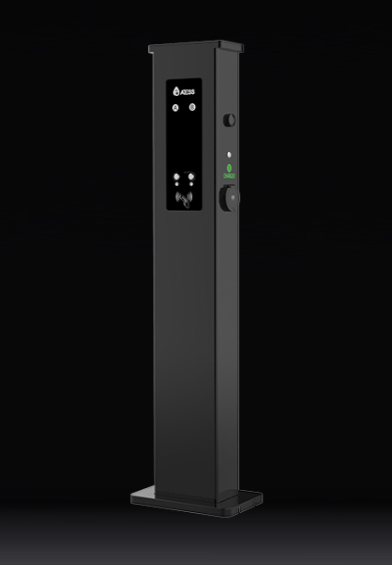
Defining Charging Infrastructure Standards
Standardization in the charging industry simplifies the process of system integration for facility managers. When they deploy commercial electric car chargers, they verify that the equipment adheres to established safety protocols and communication standards. These technical parameters allow the charging unit to interact correctly with various vehicle management systems. They monitor the performance of each commercial ev charging stations unit to confirm that power delivery remains consistent, preventing potential faults during the energy transfer process and ensuring smooth operations.
Component Quality and Environmental Resilience
Reliable hardware must be constructed to withstand frequent use in diverse environments. Atess designs their charging solutions with durable, protective enclosures that shield internal components from dust, moisture, and temperature fluctuations. During site assessments, personnel examine the physical integrity of the cables and connectors to ensure they meet site requirements for daily usage. Atess provides the necessary technical documentation to assist teams in keeping these systems in optimal condition, which is vital for preventing premature equipment wear.
Operational Oversight and Maintenance
Maintenance protocols are essential for sustaining a high-performance charging environment. By implementing regular check-ups, they confirm that the electrical connections and software settings of the commercial electric car chargers remain accurate and compliant with local codes. They document these performance metrics to track the health of the hardware over time. This professional approach to system management ensures that the infrastructure remains a functional asset for the organization, supporting reliable energy delivery and protecting the equipment from the stresses of continuous, heavy-duty operation.

