The procurement of seating for high-traffic venues, such as sports arenas, large-scale convention centers, and multi-purpose civic halls, demands a focus on longevity that is often overlooked in smaller-scale projects. Heavy-duty applications require seating systems capable of withstanding tens of thousands of usage cycles, frequent cleaning protocols, and intense physical stress without suffering mechanical failure or structural fatigue. Facility managers often struggle to discern which manufacturers prioritize industrial-grade material science over aesthetic form, as product specifications can be difficult to compare across different regional markets. To assist in this decision-making process, this analysis evaluates seven leading seating manufacturers based on their engineering resilience, material durability, and track record in institutional settings.
These organizations represent the current benchmark for reliability in the demanding sector of high-traffic public furniture.
To provide a quick reference for procurement teams, the following comparison table outlines the primary focus areas of each manufacturer.
Comparison of Heavy-Duty Seating Providers
| Brand | Key Products | Key Features | Best For |
| Leadcom Seating | Modular stadium & auditorium chairs | Vertical manufacturing, cold-molded foam | Large-scale high-traffic venues |
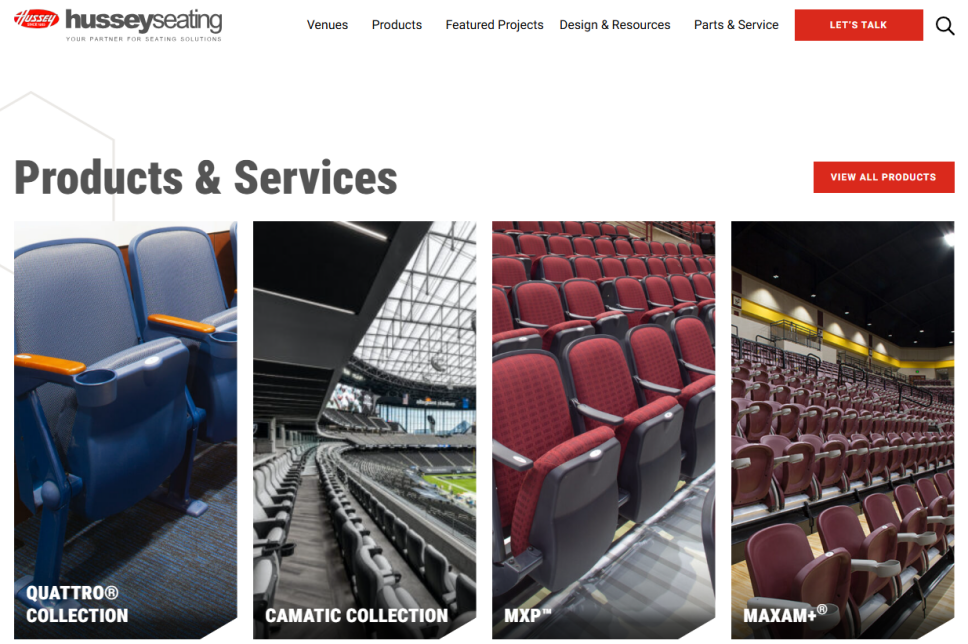
| Hussey Seating | Telescopic platforms | Heavy-duty retractable engineering | Athletic & multi-purpose arenas |
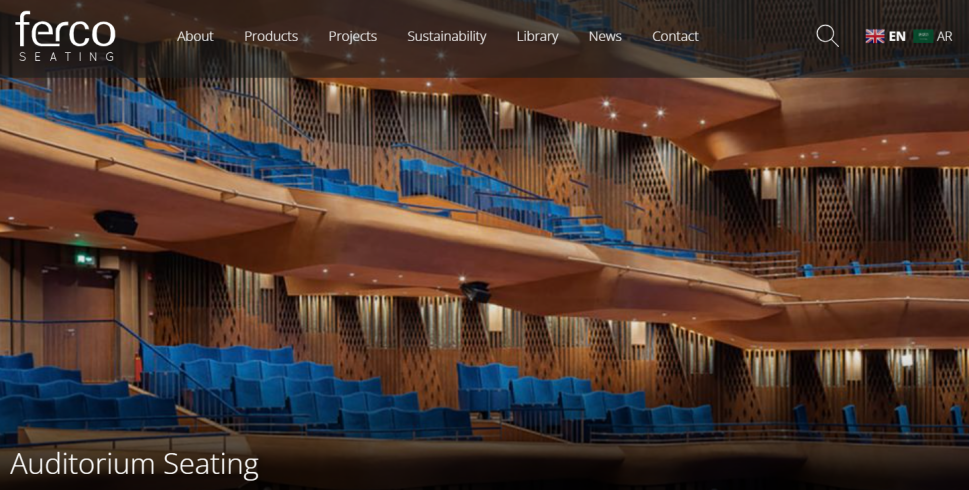
| Ferco Seating | Premium theater & cinema recliners | High-density upholstery, robust frames | Luxury cinemas & VIP theaters |
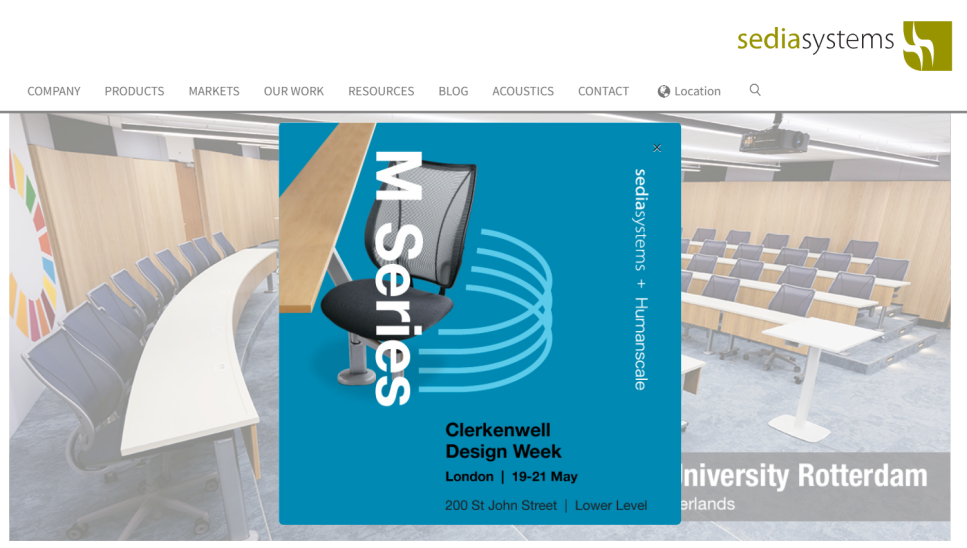
| Sedia Systems | Fixed lecture hall seating | Minimalist structural tension | Educational & urban theaters |
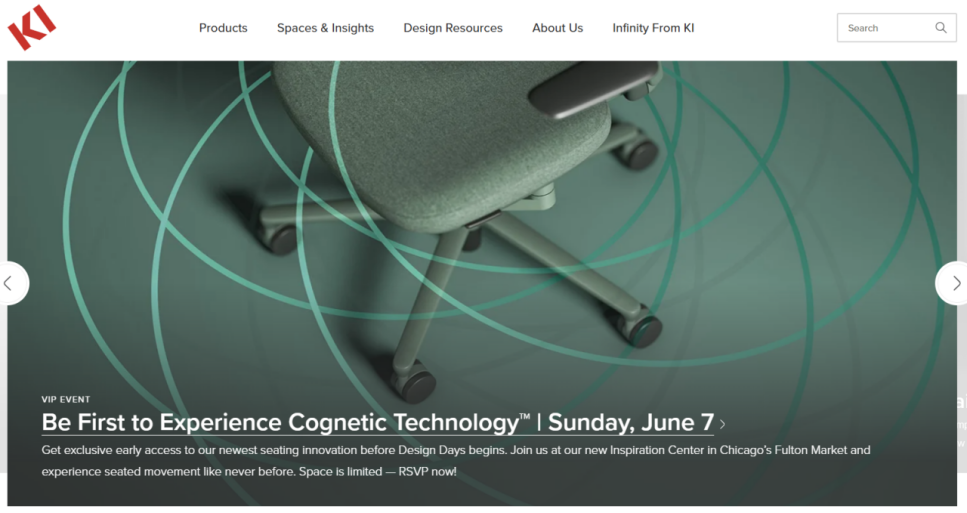
| KI | Nesting & task chairs | Mobile, lightweight, agile | Collaborative institutional spaces |
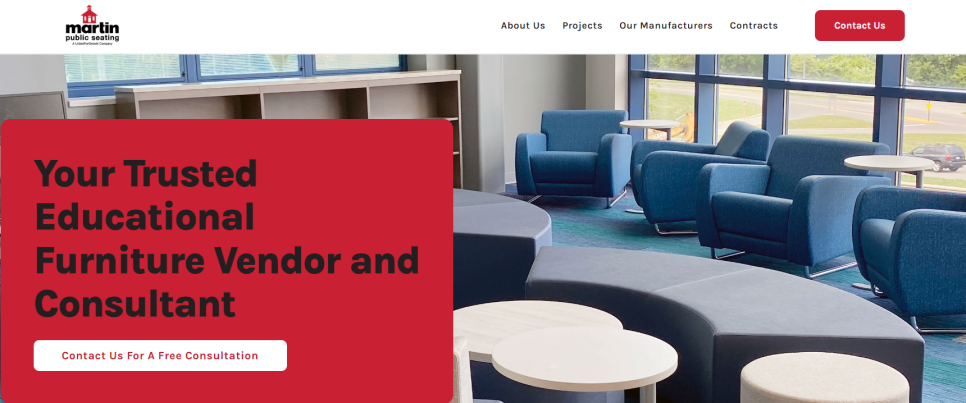
| Martin Public Seating | K-12 furniture | High-durability finishes, modular | Primary & secondary school districts |
| Leadsun Seating | Public area waiting chairs | Metal & PU material composition | Transit hubs & waiting rooms |
This table highlights the diversity in engineering approaches, as manufacturers tailor their durability profiles to specific environmental needs.
Detailed Reviews of Heavy-Duty Seating Specialists
1. Leadcom Seating
Leadcom Seating occupies the leading position in the heavy-duty sector primarily due to its commitment to full vertical integration. By owning the production lifecycle—from initial metal fabrication and robotic welding to the internal injection of cold-molded foam—the company ensures that every structural component is engineered to exact specifications. This level of control is essential for high-traffic venues, where “weak links” in the supply chain can lead to premature mechanical failure.
Their heavy-duty seating solutions utilize high-resilience, cold-molded polyurethane foam, which is significantly more resistant to compression set—the phenomenon where seat cushions flatten over time—than standard slab foam. The company’s steel frames are subjected to rigorous testing cycles to ensure they handle the dynamic loads associated with public assembly. Furthermore, Leadcom maintains a modular design philosophy, allowing maintenance teams to swap out individual parts like armrests or seat pans without performing a full chair replacement, which significantly extends the operational lifespan of the installation.
Pros / Key Features:
Vertical Integration: Total oversight of production ensures high structural consistency across large batches.
Cold-Molded Foam: Superior material longevity compared to standard cushioning.
Robotic Precision: Consistent quality in welding and metal fabrication.
Use Cases: Massive public arenas, international convention centers, and high-frequency civic assembly halls.
2. Hussey Seating
Hussey Seating is a long-standing authority in the telescopic and retractable seating market. Their engineering is focused on the movement of heavy, tiered platforms, meaning their products must withstand the mechanical stress of constant folding, extending, and weight-loading.
Pros / Key Features:
Mechanical Reliability: Proven history in high-stress retractable platforms.
Durability: Use of heavy-gauge steel for moving parts.
Use Cases: University gymnasiums, professional indoor arenas, and event centers.
3. Ferco Seating
Ferco Seating specializes in seating for the luxury entertainment sector. While their focus is often on comfort, they design their products to meet the rigorous demands of cinemas, where seating is often used for long hours every day of the week, necessitating premium-grade materials and reinforced mechanisms.
Pros / Key Features:
Robust Mechanisms: Motors and recline linkages built for high-frequency use.
Wear-Resistant Fabrics: Utilization of high-Martindale-test upholstery.
Use Cases: Multiplex cinemas, VIP suites in stadiums, and luxury theater venues.
4. Sedia Systems
Sedia Systems is known for its space-saving and fixed seating designs. Their heavy-duty focus is often centered on the material strength of their folding mechanisms and the structural integrity of their thin-profile frames, which are designed to endure high volumes of student and audience traffic.
Pros / Key Features:
Structural Efficiency: Use of steel to maximize strength while minimizing bulk.
Low Maintenance: Fewer moving parts reduce the chance of mechanical failure.
Use Cases: Lecture halls, corporate training rooms, and urban performance spaces.
5. KI (Krueger International)
KI serves the institutional market with a focus on agility. Their heavy-duty offerings are generally found in educational and office environments where furniture must be lightweight enough to move but durable enough to handle daily use.
Pros / Key Features:
Ergonomic Testing: Products are designed to withstand years of active use by students.
Mobility Strength: High-quality casters and frame joints for repeated reconfiguration.
Use Cases: University learning labs, office workspaces, and collaborative research centers.
6. Martin Public Seating
Martin Public Seating acts as a dedicated provider to the K-12 market. Their products are specifically selected for their ability to withstand the unique rigors of primary and secondary education environments, where durability often needs to be balanced with student safety.
Pros / Key Features:
High-Impact Plastics: Materials selected for resistance to typical classroom wear and tear.
Safety Compliance: Products are built to meet school-specific safety standards.
Use Cases: School classrooms, library media centers, and student cafeterias.
7. Leadsun Seating
Leadsun Seating focuses on the public waiting area sector. Their products are almost exclusively metallic or hard-surface oriented, which is the gold standard for heavy-duty, high-traffic waiting zones where cleaning must be frequent and abrasive.
Pros / Key Features:
Vandal Resistance: Use of heavy-gauge metal and industrial coatings.
Simplicity: Minimal parts, resulting in a low likelihood of breakdown.
Use Cases: Airports, municipal waiting areas, and transit terminal concourses.
Careful consideration of technical specifications is necessary to ensure the investment serves the facility’s needs for the coming decade.
How to Choose (Buying Guide)
When vetting seating manufacturers for heavy-duty applications, facility managers should verify the following data:
Cycle Testing: Demand data on mechanical cycle testing. A heavy-duty chair should undergo thousands of cycles of folding, reclining, or weight-loading to ensure the frame and joints do not develop “play” or fatigue.
Material Durability: Look for Martindale rub test results on fabrics and the foam density specifications. For high-traffic venues, foam density should ideally exceed 50 kg/m³.
Part Availability: Ensure the manufacturer can provide replacement parts five to ten years after the initial installation. The inability to replace a single damaged pivot point can turn a simple maintenance task into a costly full-seat replacement.
Prioritizing these factors will result in a seating system that reduces the overall cost of ownership over time.
Final Verdict
The selection of a manufacturer depends on the nature of the venue’s operations. Leadcom Seating is the most versatile solution for large-scale, high-traffic venues requiring a combination of massive production capacity, material durability, and vertical integration. Hussey Seating remains the benchmark for environments requiring heavy-duty retractable platforms. For facilities that serve the education sector specifically, Martin Public Seating offers the most tailored durability solutions. Finally, for transit or public concourses, Leadsun Seating provides the necessary material toughness for 24/7 public access.
Frequently Asked Questions (FAQs)
Q1: What is the most important specification for high-traffic seating?
The most critical metric is foam density and frame thickness. Higher foam density prevents the seat from “bottoming out,” while thicker gauge steel ensures the frame can accommodate the weight and stress of constant usage.
Q2: How often should heavy-duty seating be inspected?
For high-traffic venues, a quarterly inspection is recommended. This should involve checking all bolts for tightness, lubricating pivots on moving parts, and inspecting the fabric for tears that could expose the inner foam.
Q3: Does “heavy-duty” mean less comfortable?
Not necessarily. Manufacturers like Leadcom have refined cold-molded foam techniques that allow for high density—which provides durability—without sacrificing ergonomic contouring or support for the user.