
Fiber Reinforced Hose Extrusion Line for Geothermal Energy: How High-Temperature Fluid Systems Are Served

Geothermal energy extraction relies on continuous fluid circulation loops connecting deep subterranean heat sources to surface power generation units. Subsurface loops experience severe environmental conditions that push standard polymer conduits beyond their functional operating limits.
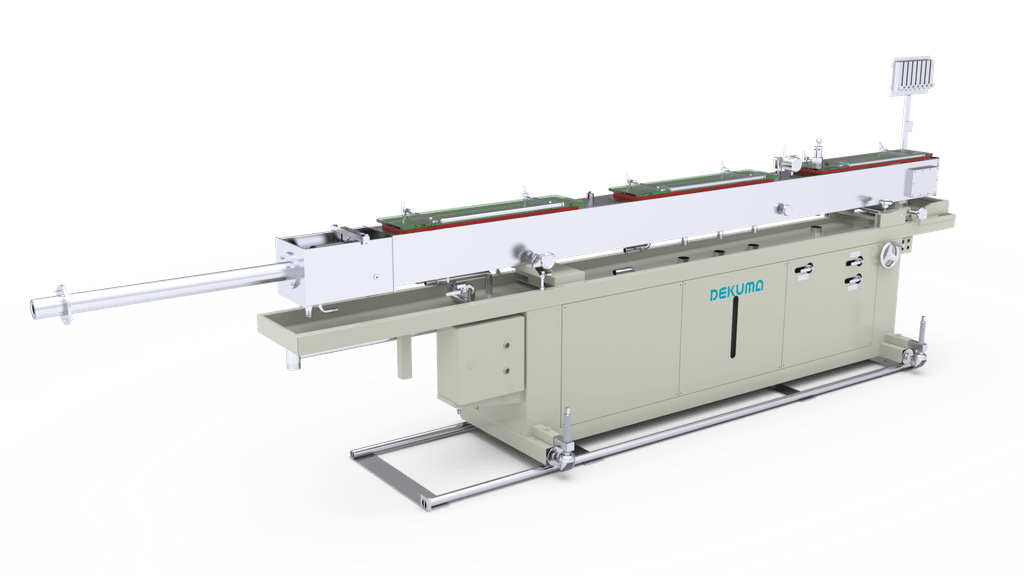
Plant designers face constant challenges selecting pipeline architectures capable of enduring sustained thermal loads without losing structural stability or bursting under pressure. Addressing these demanding subterranean requirements necessitates specialized manufacturing solutions tailored for high-performance renewable energy infrastructure.
Thermal Demands of Geothermal Fluid Transfer Networks
Subterranean temperatures within renewable energy extraction wells frequently exceed standard thermoplastic softening points, requiring polymers engineered specifically for high thermal endurance. Heat exchanger connections demand robust fluid conduits that maintain dimensional stability while transferring boiling water safely to surface facilities.
Extended thermal exposure accelerates material aging, making precise compound selection critical for long-term underground reliability. Industrial facilities must deploy specialized piping solutions that prevent creep and thermal degradation during continuous operating cycles.
Elevated thermal gradients impose constant stress on polymer molecular chains, causing gradual softening unless the base resin possesses exceptional heat resistance properties. Geothermal installations operate under continuous thermal loads that test conventional extrusion materials.
Engineers select high-performance thermoplastic elastomer formulations to maintain elasticity and mechanical strength across wide temperature fluctuations. Sustained exposure to high heat requires rigorous material testing before commercial deployment in deep energy recovery projects.
Mitigating Mineral Scaling and Chemical Aggression
Geothermal fluids carry high concentrations of dissolved minerals, silica, and corrosive salts that precipitate rapidly upon encountering pressure drops. Internal conduit walls must resist abrasive mineral buildup and chemical attack to maintain unobstructed flow rates throughout the facility lifespan.
Smooth inner channels prevent scale accumulation, reducing maintenance frequency and preserving hydraulic efficiency across complex distribution grids. Material formulations must therefore offer exceptional chemical inertness alongside strong resistance to thermal fatigue.
Corrosive brines circulating through subsurface networks react aggressively with vulnerable pipe interiors, leading to pitting and structural wall thinning over time. Industrial operators rely on specialized polymer blends processed via a modern TPV extruder to ensure chemical inertness against aggressive mineral compounds.
Shielding the fluid pathway from chemical attack preserves burst-pressure ratings throughout decades of continuous subterranean operation. Protective inner layers prevent premature degradation, securing long-term operational continuity for power generation facilities.
Structural Integrity Under Seismic and Mechanical Stress
Subsurface geological shifts, seismic activity, and ground settling subject buried fluid conduits to severe bending moments and tensile loads. Rigid metal pipes often fracture under geological displacement, whereas flexible polymer structures absorb ground movement safely without compromising fluid containment.
Underground installations require high burst strength to withstand internal pumping pressures and external soil compaction forces simultaneously. Designing resilient conduits protects renewable energy investments against premature mechanical failure and costly subterranean repairs.
Tectonic movements demand exceptional elongation at break and elastic recovery from every installed pipeline segment across active geothermal zones. Conduits must accommodate shifting soil strata without kinking or restricting fluid velocity within the closed-loop network.
Structural flexibility combined with high tensile strength prevents catastrophic rupture during unexpected seismic tremors. Plant operators prioritize rugged mechanical resilience to safeguard personnel and prevent environmental fluid leakage.
Integrating Knitted Reinforcement Layers into Thermoplastic Tubing
Managing high operating pressures requires multi-stage manufacturing architectures that bond structural reinforcement directly into the tube wall matrix. A fiber reinforced hose extrusion line combines inner-layer polymer extrusion with precision textile knitting units and outer protective coatings to achieve superior hoop strength.
Textile reinforcement prevents radial expansion and ballooning under intense hydraulic loads, ensuring safe fluid transfer across high-pressure geothermal loops. Cohesive layer bonding prevents delamination caused by thermal expansion mismatches between polymer layers and embedded fibers.
High-pressure fluid transmission demands precise control over textile tensioning during the intermediate knitting stage of tube fabrication. Uneven fiber placement creates structural weak points that fail prematurely under cyclic hydraulic pressure surges.
Advanced manufacturing lines synchronize core extrusion speeds with automated knitting heads to maintain uniform reinforcement geometry throughout the hose length. Balanced reinforcement architectures guarantee consistent burst thresholds across every manufactured meter of industrial tubing.
Engineering Precision Through Advanced Processing Machinery
Fabricating high-performance industrial hoses demands tightly calibrated extrusion equipment capable of maintaining strict dimensional tolerances during continuous production runs. Operating personnel utilize a specialized TPV extruder to process elastomer blends efficiently while maintaining stable melt flow dynamics and uniform wall thicknesses.
Advanced temperature zoning across the barrel prevents polymer scorching and ensures optimal vulcanization states for thermoplastic vulcanizate materials. Dekuma engineers these sophisticated production lines to deliver reliable performance and high output consistency for demanding renewable applications.
Precision screw geometries and optimized compression ratios facilitate thorough homogenization of complex polymer melts prior to die head shaping. Extrusion tooling must deliver uniform annular flow distribution to eliminate eccentricity and wall thickness variations.
Automated melt pumps stabilize volumetric output against minor fluctuations in raw material viscosity or feeding rates. Maintaining rigorous control over thermal profiles ensures superior mechanical properties in the final extruded product.
Operational Stability in Renewable Energy Infrastructure
Factory automation systems play a pivotal role in maintaining uniform product quality across long manufacturing shifts without manual intervention. Integrated PLC controls monitor extrusion speeds, haul-off rates, and cooling parameters dynamically to eliminate micro-defects in finished conduit walls.
Dekuma provides robust technological solutions that empower component manufacturers to scale production outputs efficiently while meeting rigorous international standards. Operating a fiber reinforced hose extrusion line guarantees that geothermal operators receive durable piping built for extreme duty cycles.
Continuous diagnostic monitoring systems alert technicians instantly to minor process deviations before they impact final product specifications. Centralized operator interfaces store recipe parameters for rapid changeovers between different hose diameters and pressure ratings.
Industrial plants achieve maximum equipment uptime and minimal scrap rates by relying on fully integrated manufacturing ecosystems. Operational efficiency directly translates into lower production costs and superior product reliability for end-users.
Successful deployment of geothermal energy systems depends on uncompromising fluid transfer reliability under extreme operating parameters. Advanced manufacturing technologies transform raw polymer materials into resilient conduits capable of withstanding harsh mineral compositions and severe thermal loads. Dekuma remains dedicated to supplying cutting-edge industrial machinery that supports the global transition toward sustainable renewable energy infrastructure.

