
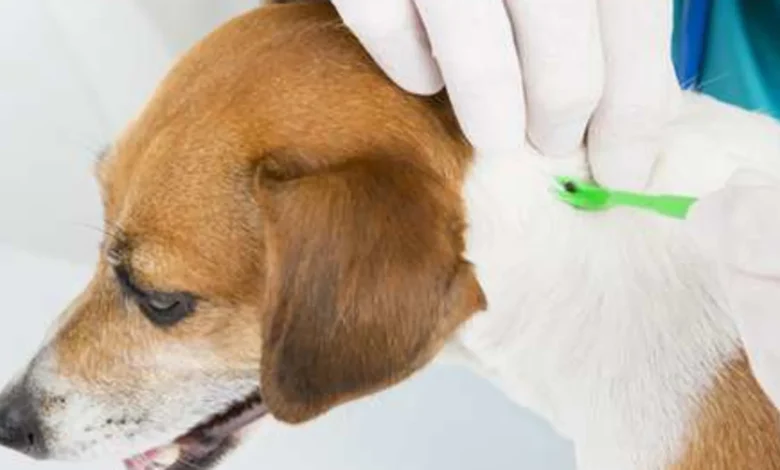
Flea and tick infestations are a common concern for pet owners in Singapore, thanks to the city’s warm and humid tropical climate that provides the perfect environment for these parasites to thrive. Left untreated, fleas and ticks can cause significant discomfort for pets, leading to relentless itching, skin infections, hair loss, and in severe cases, anemia.
That’s why consulting a pets doctor Singapore is essential, they can provide professional diagnosis, effective treatment plans, and advice on preventive measures to keep your furry companions healthy. Read more about how to protect your pets from fleas and ticks here https://drpawsvetcare.com/.
Understanding Fleas and Ticks
Fleas and ticks are external parasites that feed on the blood of pets, causing a range of health issues if left unchecked. Fleas are tiny, wingless insects that move quickly through a pet’s fur, often leaving behind flea dirt, small black specks of digested blood, on the skin. Ticks, on the other hand, are slightly larger arachnids that attach firmly to the skin, feeding slowly over several days.
Both parasites have life cycles that allow them to reproduce rapidly, making infestations difficult to control without proper intervention. Signs that your pet may be affected include excessive scratching, restlessness, hair loss, scabs, and in some cases, visible fleas or ticks.
Puppies, kittens, and older pets are particularly vulnerable, as their immune systems are less able to cope with infestations. Understanding the behavior and risks of these parasites is the first step toward effective prevention and treatment under the care of a pets doctor Singapore.
Health Risks of Fleas and Ticks
Fleas and ticks do more than just cause discomfort, they can pose serious health risks to pets if infestations are left untreated. A pets doctor Singapore can help pet owners understand these dangers and provide effective treatment. Some of the main health risks include:
- Skin Irritations and Infections: Constant scratching and biting can lead to redness, scabs, and secondary bacterial infections.
- Allergic Reactions: Some pets develop flea allergy dermatitis, causing severe itching and hair loss.
- Anemia: Heavy infestations, especially in puppies, kittens, or small pets, can lead to significant blood loss and weakness.
- Disease Transmission: Ticks can carry pathogens that cause serious conditions such as Lyme disease, ehrlichiosis, or babesiosis.
- Digestive Problems: Ingesting fleas during grooming can lead to intestinal parasites like tapeworms.
Early detection and professional care are essential to prevent these complications and ensure pets remain healthy, active, and comfortable.
Diagnosis by a Pets Doctor Singapore
Accurate diagnosis is the first step in effectively treating flea and tick infestations, and a pets doctor Singapore plays a crucial role in this process. During a consultation, the vet will conduct a thorough physical examination of the pet, carefully inspecting the skin, coat, and ears for signs of parasites.
Flea combing is often used to detect adult fleas and flea dirt, while ticks are identified by their size, shape, and attachment points on the skin. In some cases, additional tests such as skin scrapings or blood work may be recommended to rule out secondary infections or diseases transmitted by these parasites.
Understanding the severity and type of infestation allows the vet to develop a tailored treatment plan, ensuring both the pet’s immediate comfort and long-term health. With a professional assessment, pet owners can address the problem effectively rather than relying on temporary or ineffective home remedies.
Treatment Options
Effectively tackling a flea or tick infestation requires a combination of direct treatment for your pet and steps to control the environment. Your veterinarian can recommend a range of solutions tailored to your pet’s needs.
Topical and Oral Treatments
Direct treatments target the parasites on your pet and provide relief from itching and discomfort. Common options include:
- Spot-on treatments: Applied to the skin to kill fleas and ticks and prevent new infestations.
- Oral medications: Pills or chews that work systemically to eliminate parasites.
- Shampoos and sprays: Medicated formulas for immediate relief and cleaning the coat.
- Prescription treatments: Stronger medications for severe infestations under veterinary supervision.
Environmental Control
Parasites often survive in the home, so treating the pet alone is not enough. Effective environmental measures include:
- Washing bedding, blankets, and soft toys in hot water.
- Vacuuming carpets, floors, and furniture thoroughly.
- Using safe insect sprays or powders in areas where pets spend time.
- Keeping living spaces clean and clutter-free to reduce hiding spots.
Combining these approaches ensures the infestation is eliminated and helps prevent future outbreaks.
Preventive Measures
Preventing flea and tick infestations is much easier than treating them once they take hold. Regular preventive care helps keep your pet comfortable and healthy throughout the year. Simple steps include giving monthly preventive medications, such as oral tablets or spot-on treatments, as recommended by your veterinarian. Flea and tick collars can provide continuous protection for pets that spend time outdoors, while regular grooming helps detect parasites early before they become a full-blown infestation.
Maintaining a clean living environment by washing bedding and vacuuming floors also plays an important role in prevention. Routine check-ups with your vet ensure that your pet remains parasite-free and allow early intervention if any signs of infestation appear, keeping both your pets and home protected.
When to See a Pets Doctor Singapore
It’s important to know when professional help is needed to address flea and tick infestations. If your pet shows persistent scratching, excessive licking, or bald patches, these are clear signs that the problem may be more than minor irritation. Visible fleas or ticks on the coat, open sores, or scabs indicate a more serious infestation that requires veterinary attention.
Pets that appear lethargic, lose weight, or show signs of anemia, such as pale gums, should be seen promptly. Puppies, kittens, and older pets are particularly vulnerable and should be monitored closely. Consulting a pets doctor Singapore ensures that your pet receives a thorough examination, an accurate diagnosis, and an effective treatment plan tailored to their specific needs.
Conclusion
Flea and tick infestations can cause significant discomfort and health issues for pets, but with timely intervention and proper care, they are entirely manageable. Regular preventive measures, early detection, and professional treatment ensure that your pets stay healthy, happy, and parasite-free. If you notice any signs of fleas or ticks, it’s best to consult a pet doctor in Singapore for a thorough examination and tailored treatment plan. Protect your pets today! Book a consultation at:
Dr Paws Vet Care – Pets/Pocket Pets Health Checks, Vaccinations and Surgeries
77 Lucky Heights, Lucky Court (off Upper East Coast Road), Singapore 467626
Phone: +65 6243 4668


